Site History
–
Fort Street: the former coastline
(Intersecting with Queen Street)
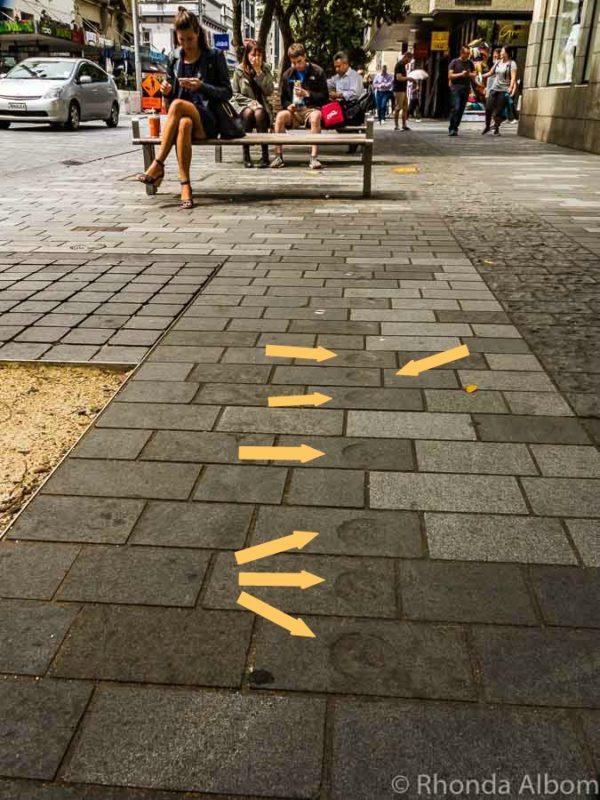
Fort Street, a few hundred years ago, was the finishing point of a landfill and was the beginning of a cliff top of the dirty canal (now Queen Street) with the ocean. Looking along Fort Street, you would have seen a row of heads impaled on posts along this foreshore. (The original Maori name Te One Panea translates to “beach of the heads in line”).
Left Image: A row of circular depressions along Fort Street marks the former cliff top and coastline.
Remnants of the former Royal and Queen’s theatres
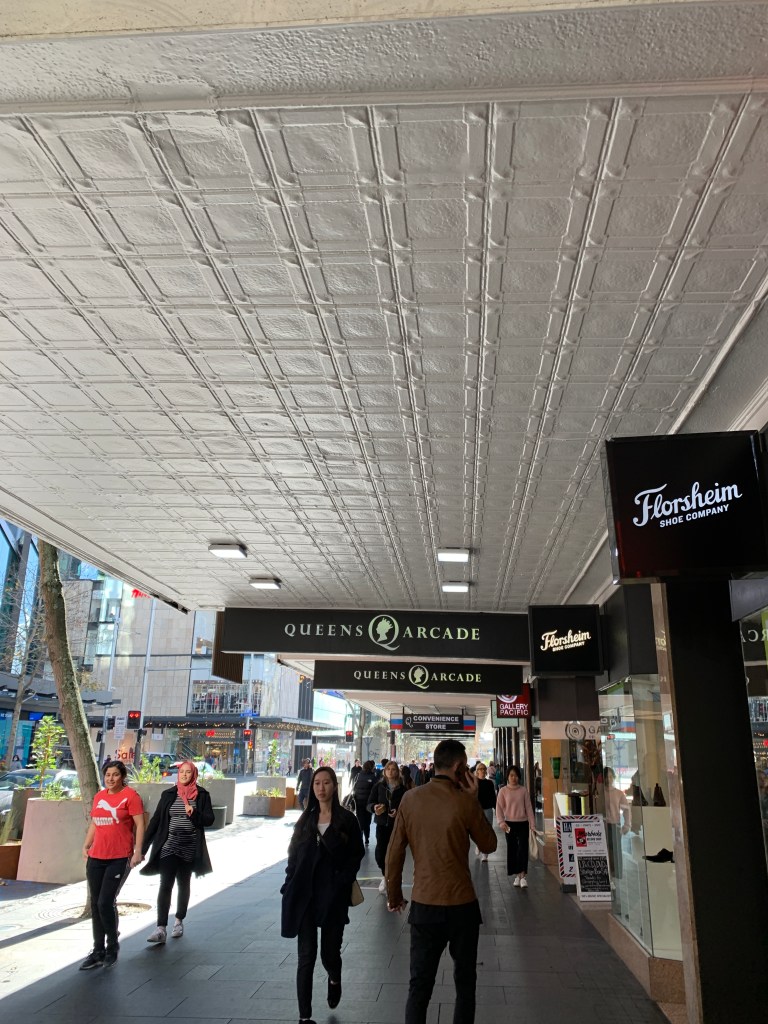
Another block and just passed the Queen’s Arcade is the entrance to Everybody’s Bar (44 Queen Street), originally built between 1886 and 1911. Once home to two theatres, it now houses an eatery and is a pass-through to Fort Lane, which explains its official address of 7 Fort Lane. The sloping cobblestone floor leads towards the former movie screen.
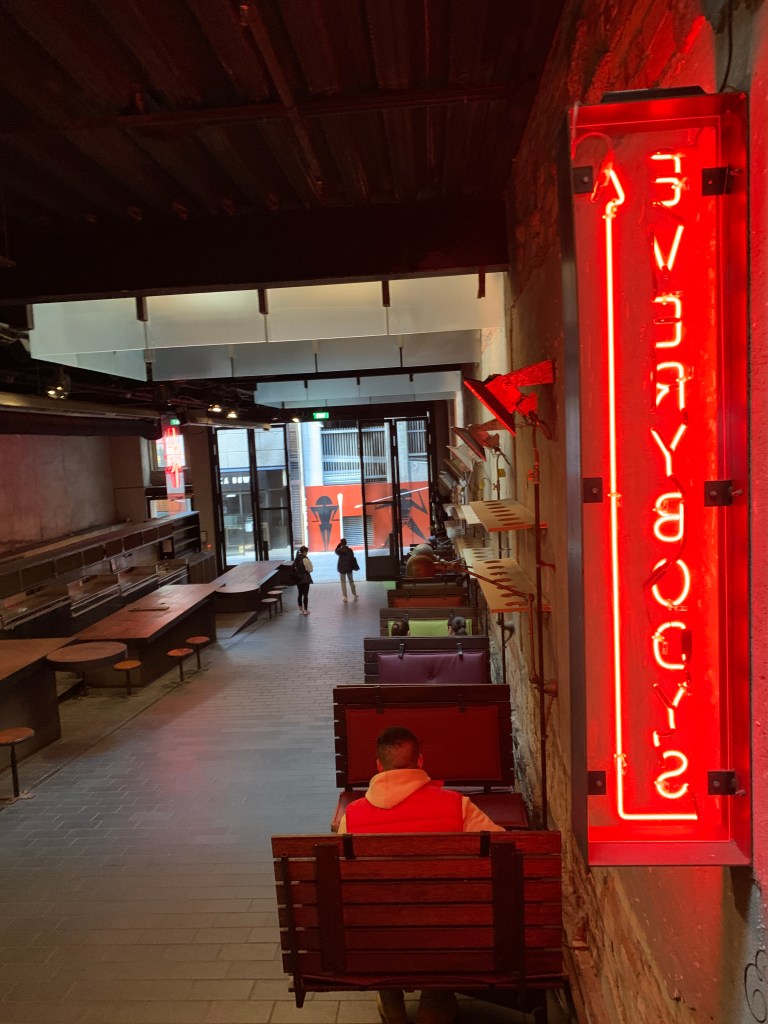
Here I am standing facing what once was a screen in this former movie theatre. The room slopes down from here as it offered stadium seating in the former Queen’s Theatre. 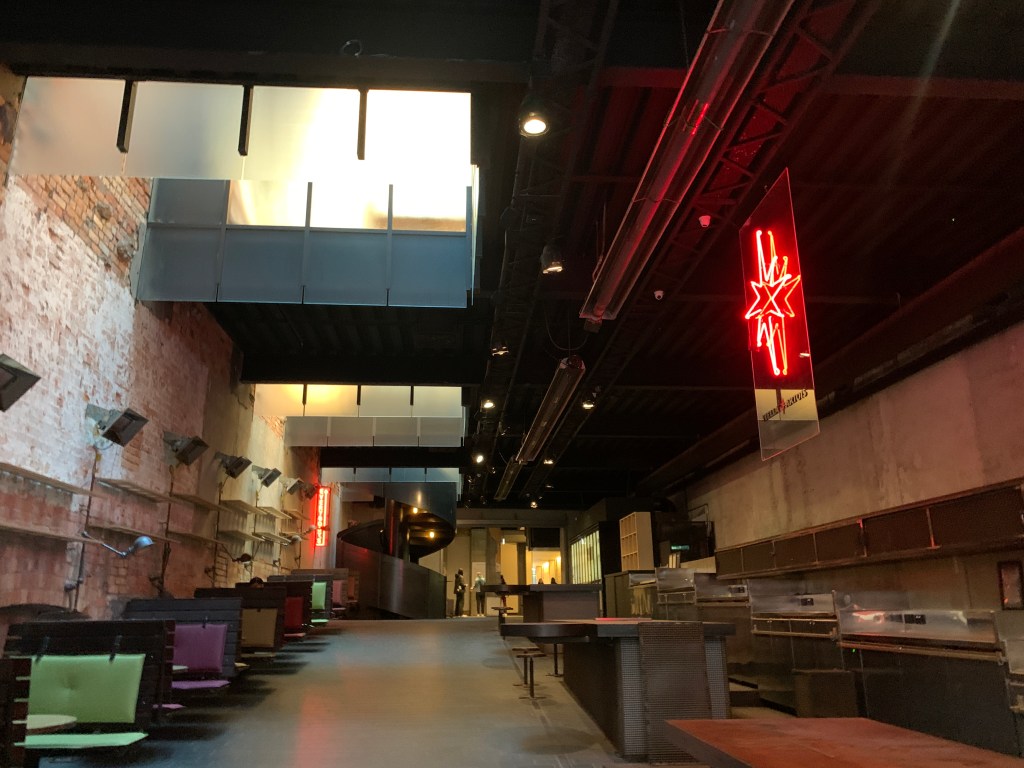
Viewing the Imperial Lane from Fort Lane entrance up
More Into the Past
![[Fort Street]](https://thumbnailer.digitalnz.org/?src=http%3A%2F%2Fmedia.api.aucklandmuseum.com%2Fid%2Fmedia%2Fp%2F91760b98b5cc2d3bb3d064255827d2092800684a%3Frendering%3Dstandard.jpg)
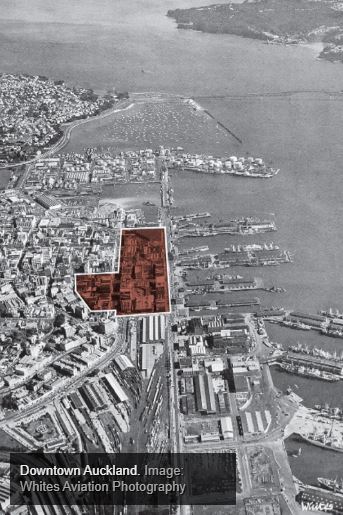
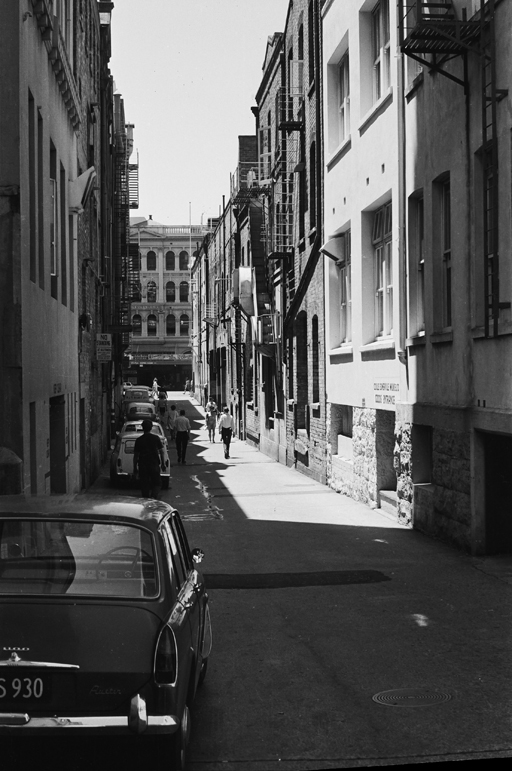
Downtown Auckland 1960s
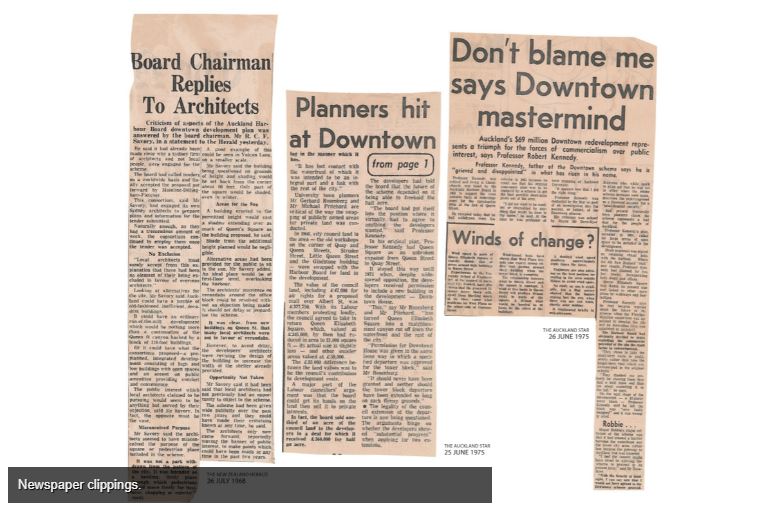
From its establishment in 1871 until its dissolution by the Port Companies Act 1988 as part of the local body reorganisation, the Auckland Harbour Board (AHB) owned the bed of the Waitemata Harbour: some 2,000 hectares, of which 160 had been reclaimed, including the Downtown area from Fort Street to the present waterfront. Only a part of this land was needed for port purposes; much of the remainder was developed for retail and commercial uses over the period 1880 to 1915.
Over the years, the annual rental provided significant income for the Board and it was not only used to even out fluctuations in shipping revenue, which varied according to rises and falls in the New Zealand economy, but also to keep wharf charges competitive relative to other ports. However, by the early 1960s, as the buildings deteriorated and retail and commercial practices changed and air-conditioned multi-storeyed offices, such as the AMP Building, started to appear within the neighbouring Auckland City Council (ACC) jurisdiction, the Board decided that some form of renewal would be needed to maintain its income from this part of its landholding.
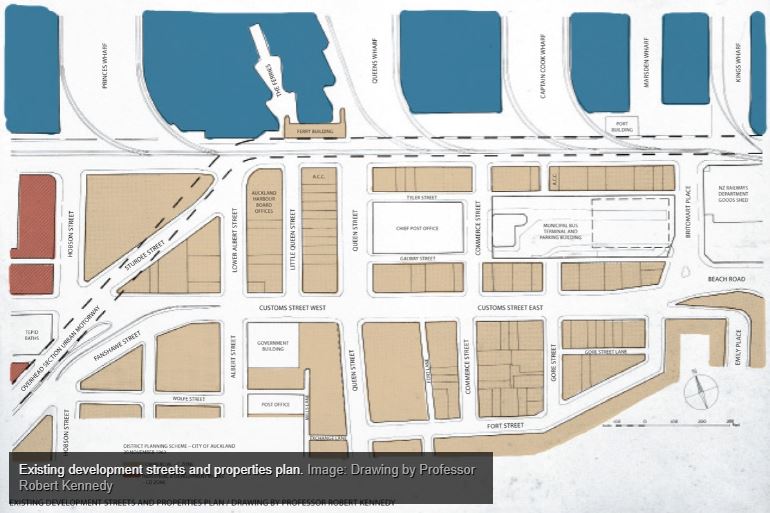
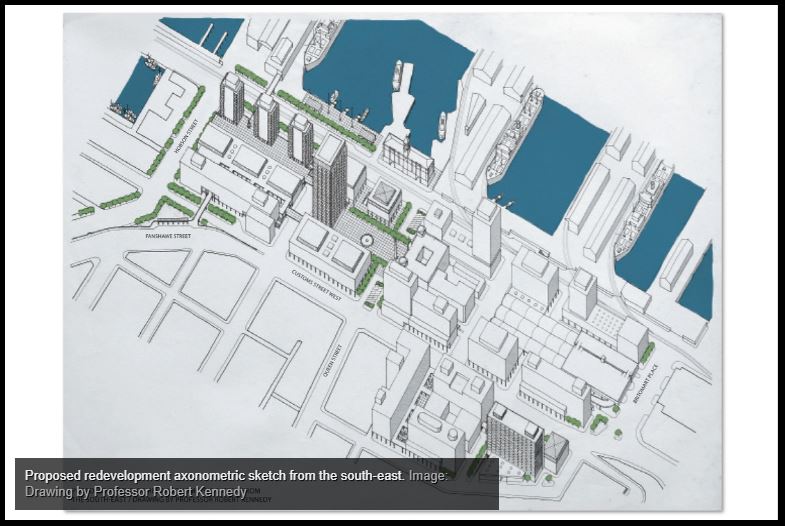
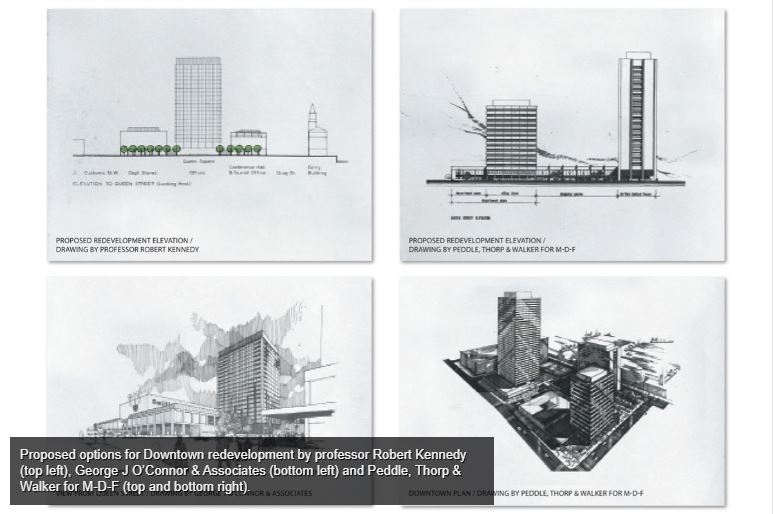
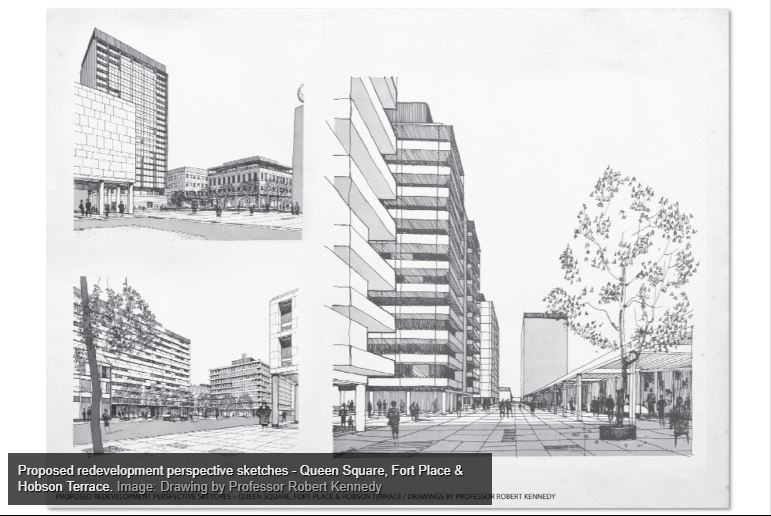
In 1963, Architect and Proffessor Robert Terence Kennedy was engaged by the AHB to assist with this renewal process. The study site was bounded by Quay Street, Britomart Place, Fort Street, Customs Street East and Hobson Street: a total of 13 hectares of which, excluding streets, the AHB owned 5 hectares, the Crown 0.5 and ACC 1.

Heritage Buildings

IMPERIAL HOTEL
68 QUEEN STREET
The Imperial Hotel occupies a large Fort Street frontage and comprises three buildings disguised as two. Part of the site has been occupied by a hotel since the 1860s. The present building bordering Queen Street was built in the mid 1880s, and incorporates an earlier brick building to the east. The new hotel was designed by architects E. Mahoney & Sons, who designed many of Auckland’s numerous early corner pubs. By 1894 the hotel was taken over by William
Pearce and it became one of the most popular watering holes amongst businessmen. It offered comfortable and well furnished smoking and commercial rooms along with 16 rooms for overnight guests. Of the clientele, it was said that there was ‘little or no rough element noticeable’.

WRIGHT’S BUILDING
20 FORT STREET
Completed in 1911, the Wright’s building was constructed for the carrying firm A.B. Wright & Sons to the design of architect Thomas Mahoney. The building is one of New Zealand’s earliest examples of the Chicago architectural style. A.B. Wright & Co’s teams of grey horses were a common sight in the city during the late nineteenth and early twentieth centuries. Soon after the erection of the building the company expanded and diversified, becoming shipping and customs agents with branches throughout
New Zealand.
Walk along Fort Street to the intersection with Commerce Street…
JEAN BATTEN BUILDING
FORMER JEAN BATTEN POST OFFICE
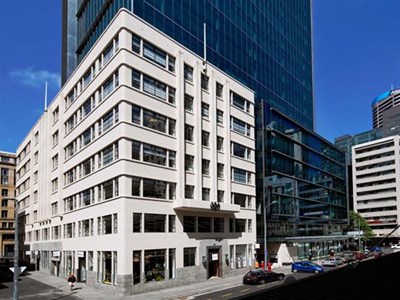
The former Jean Batten Post Office stands approximately on the site of Auckland’s first wooden building, a government store, erected in 1840. This timber structure was later replaced with a post office which graced the site from the 1860s. In 1941 the Jean Batten Post Office, along with the adjacent lane of the same name, were completed. Both were named in honour of New Zealand’s most famous woman aviator.
Jean Batten became an overnight international celebrity when she smashed the women’s record for a solo flight from England to Australia in 1934. Jean Batten Place was named in honour of her later solo flight across the Atlantic in 1936. A plaque commemorating her achievement was erected on the former National Bank building on the east side of Jean Batten Place. This building was demolished in the 1970s and replaced with the present structure opened by Jean Batten on 22 November 1979.
Fort Lane Artworks
Sun burst by Sara Hughes
Part of a series of murals around Auckland named “Hearts of the City’

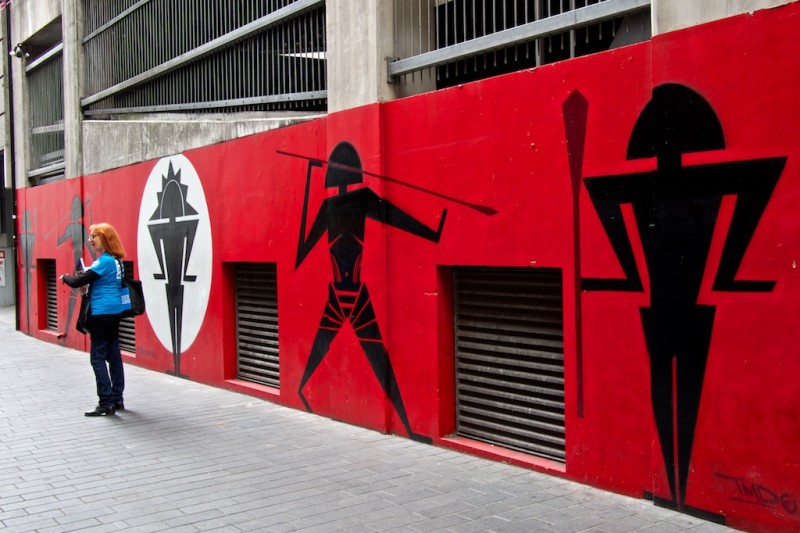
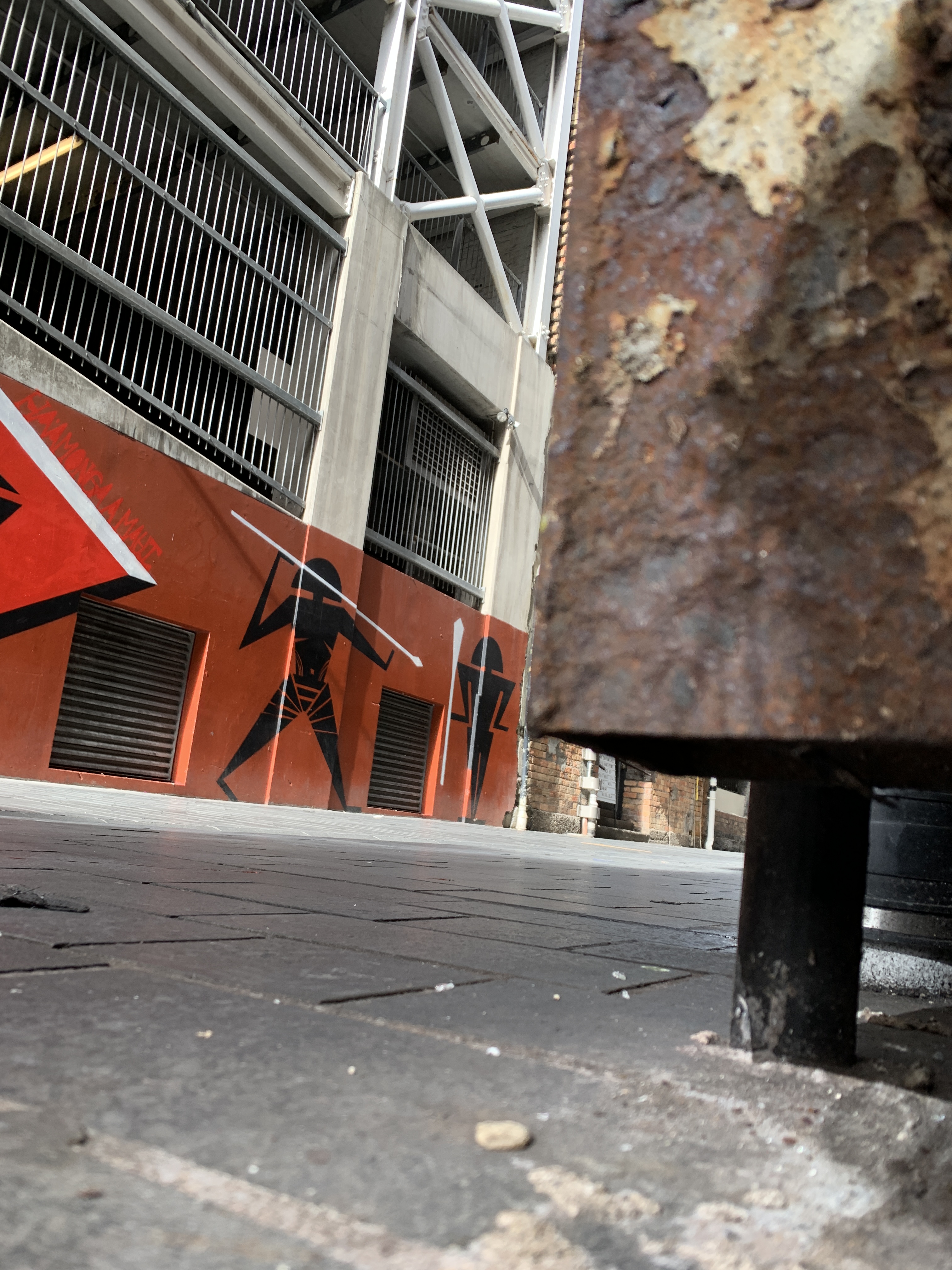
Untitled Mural by Benjamin Work
2014: Auckland art week, commissioned mural, Fort Street.
Benjamin Work is an artist, Auckland-born, with Tongan and Scottish heritage. He has several artwork in a similar style in various locations around the wider Auckland region. He has a solid grounding in aerosol painting with his initial creative output centered around sub/ pop-cultural influences that emerged from North America in the 1970s – 1980s.
Since then, Benjamin’s bold visual language reference design elements and semiotics particular to Tongan weaponry and culture. His practice extends across a diverse range of projects which include gallery exhibitions, large scale murals, print based media and photography. His work reflects the ‘here and now’ and engages with the current cultural, political and social context of Auckland, Aotearoa.
Eyelight Lane by David Svensson
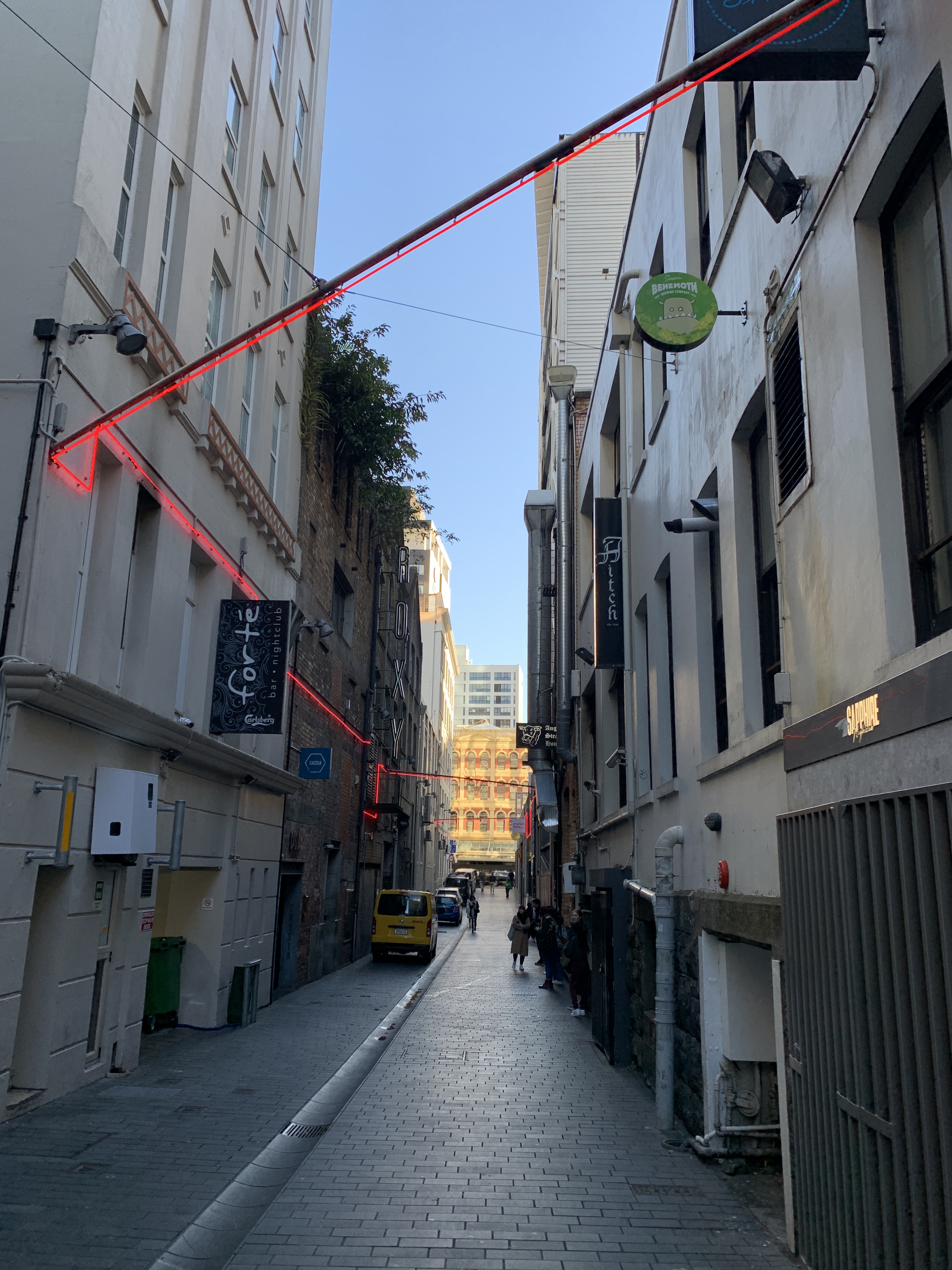
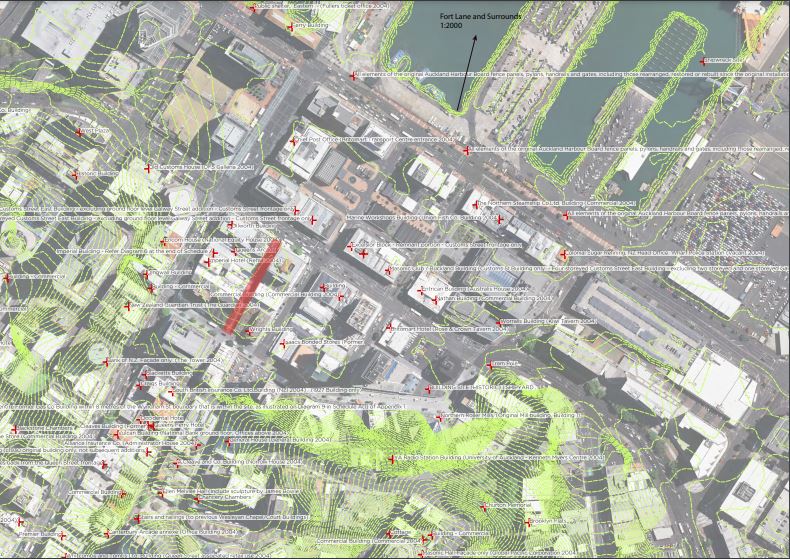
Eyelight Lane has been described as a “meandering red neon line mounted on buildings on either side of Fort Lane that crosses the alley at three points”. Swedish artist David Svensson is the artist behind the work, and known for his work comprising of light installations and sculptural works. Comprising 120 metres of neon lights, the installation crisscrosses the lane and building facades from Fort Street to Customs Street.
“Fort Lane has come from being a tired and neglected street to the next cool new space to enjoy in our inner city. Eyelight Lane is the icing on the cake for this transformation and will literally make this night-time destination shine,” says Auckland councilor and chair of the Arts, Culture and Events committee, Alf Filipaina. Svensson remarks, “My principle practice is light-based work. I have several public artworks featuring neon such as ‘Lighthouse’ in Obrero, Sweden and I’m very excited to be coming to New Zealand to install Eyelight Lane.” This installation was ‘switched on’ on the 27 February 2014.

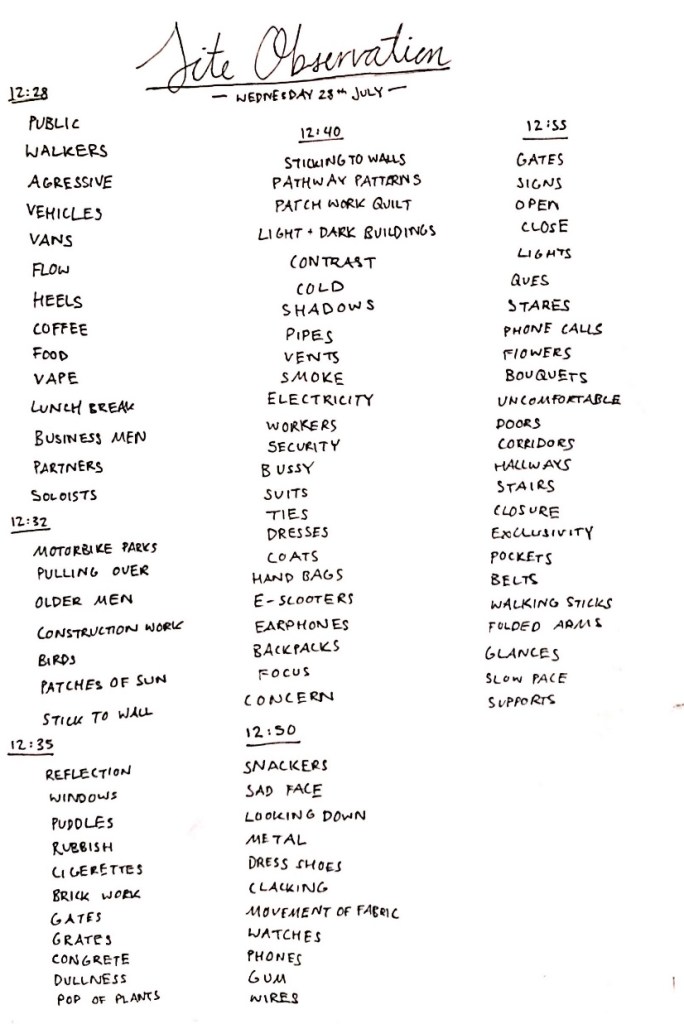
Site Obervations
Observe, research, analyse and document the site that you have selected in Fort Lane
.
Fort Street in Auckland CBD is known to be a bustling popular location at night for stumbling drunken public walking from bars to nightclubs, backpackers and stripclubs. During the day, it is merely a throughway for business men and women and student walking from Britomart train station to university campus.
In 2011, Auckland Council began upgrading this space as part of the upgrades for streets with shared spaces. Since its series of upgrades in the past such as in the 1960s, it has become a lively laneway with colourful painting murals, light up signs and the notorious red strip lighting installation. Even so, during the day it is used as a short cut to Customs Street from Fort Street and is used by couriers, pedestrians, cars, scooters and Ubers alike.
This shared space hold requires a level of understanding by all members of the public to be considerate of one another. Its interesting to observe how pedestrians react and interact with the path as they zig zag to avoid running into parked vehicles and passing ones.
The newest Hearts of the City piece was created by renowned Auckland artist Sara Hughes. Hughes has attracted significant attention throughout Australasia, winning both the Wallace Art Award and the Norsewear Art Award in 2005. Her Hearts of the City artwork is a spectacular burst of colour referencing the architectural details of Auckland’s art deco and heritage sites. Like a sun burst this heart is exploding with everything life has to offer – Sara hopes that its rays will be positive and life affirming to passersby.
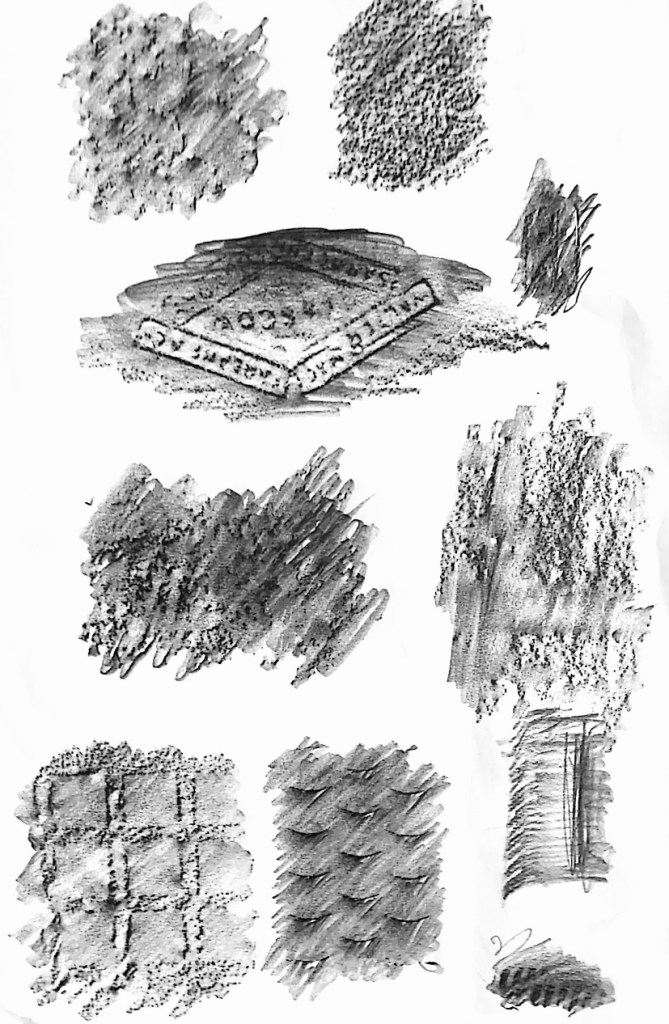
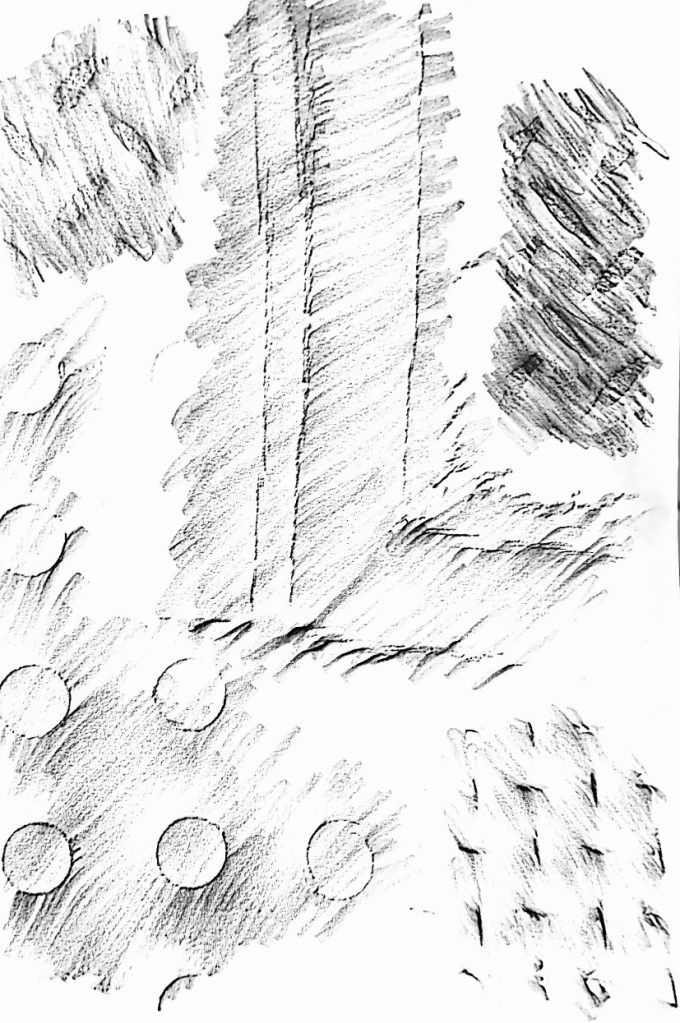
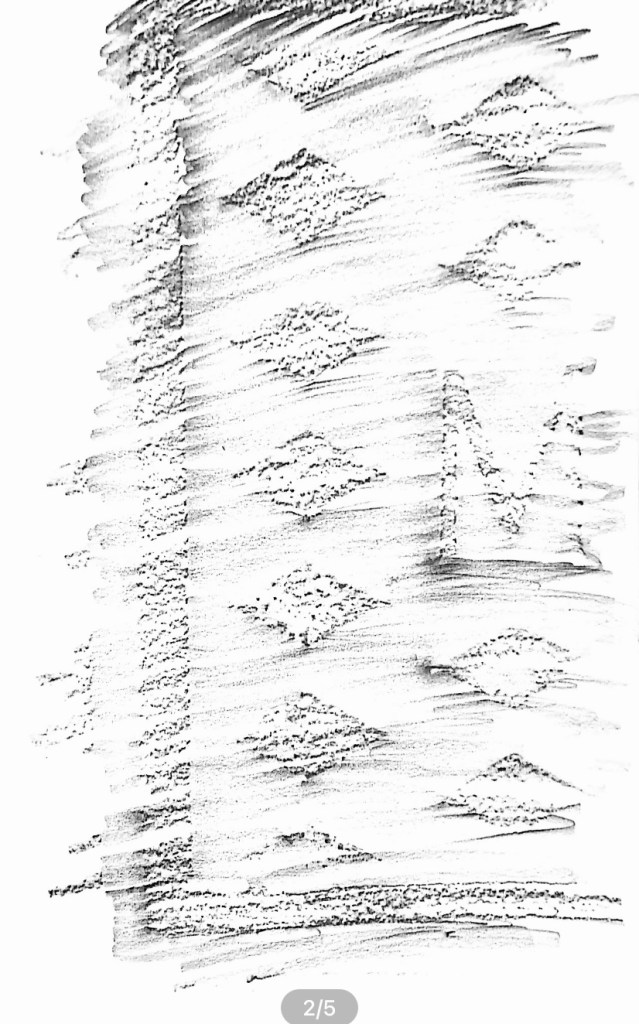
Photographing Close-Up Details

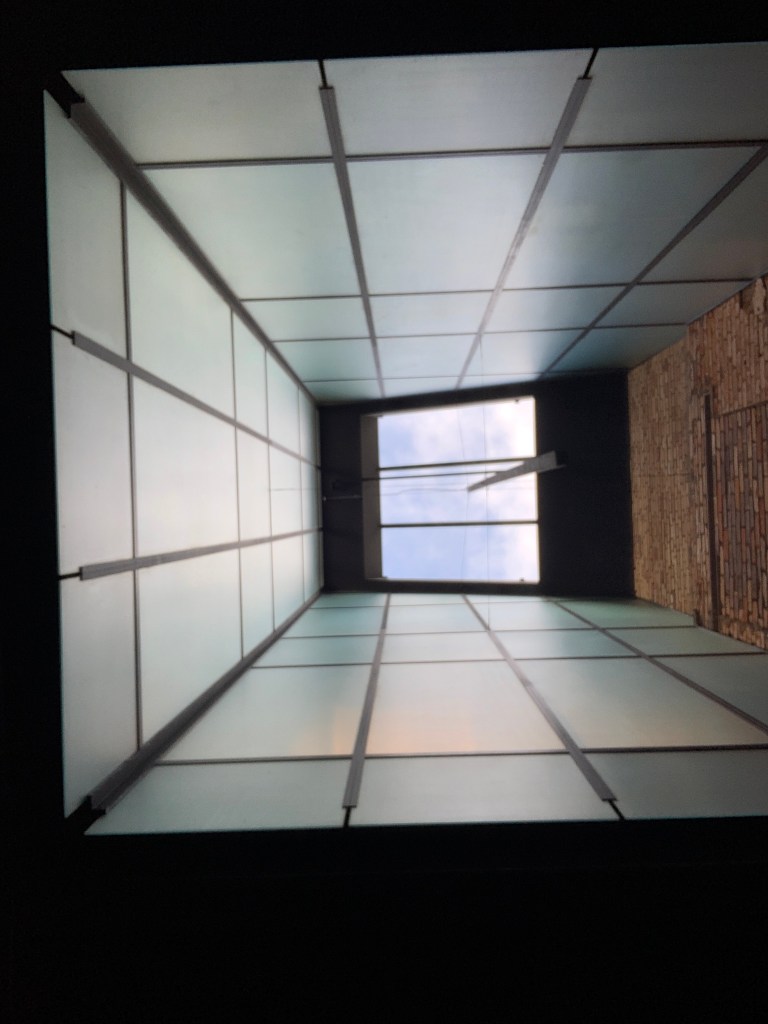
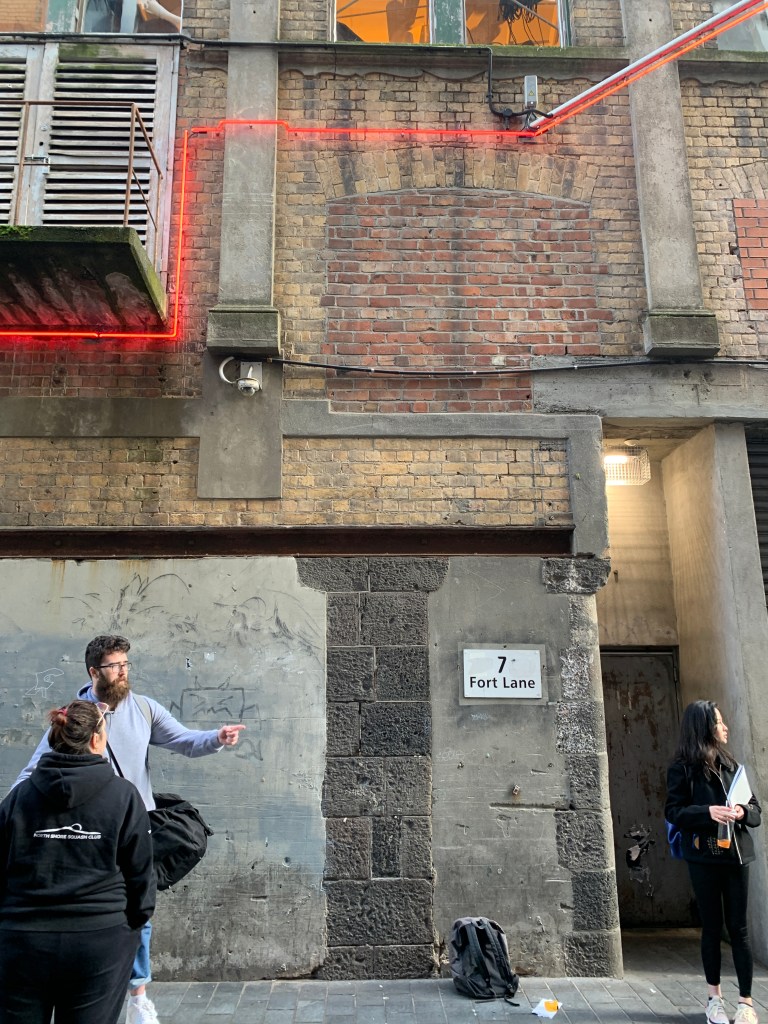
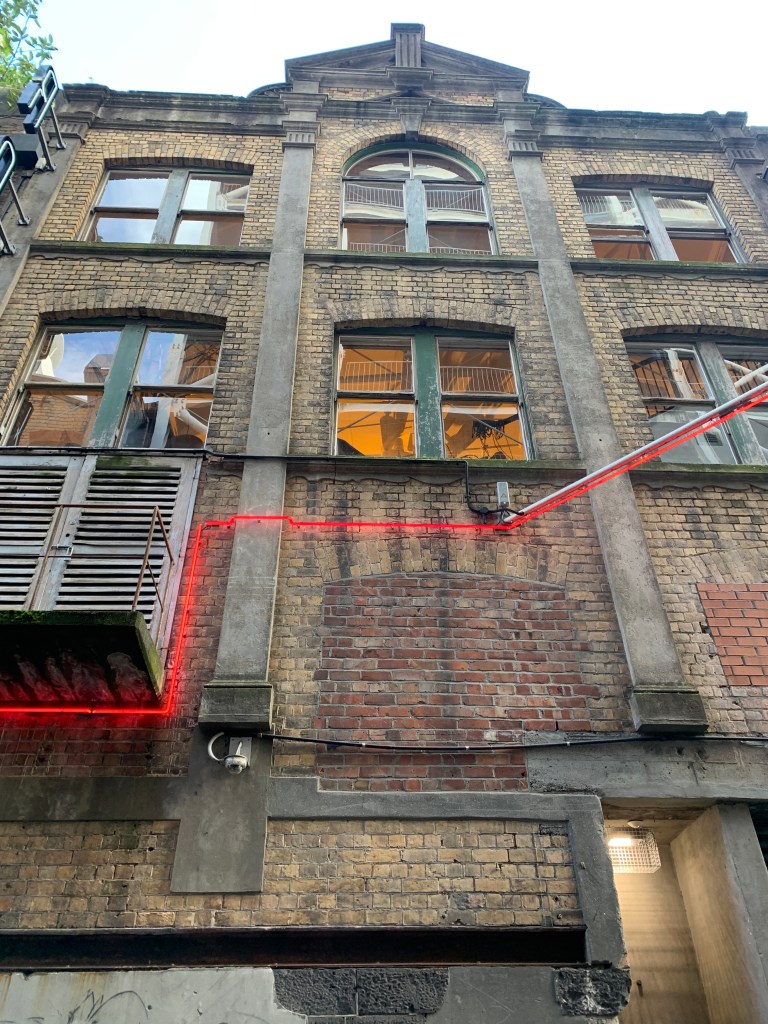
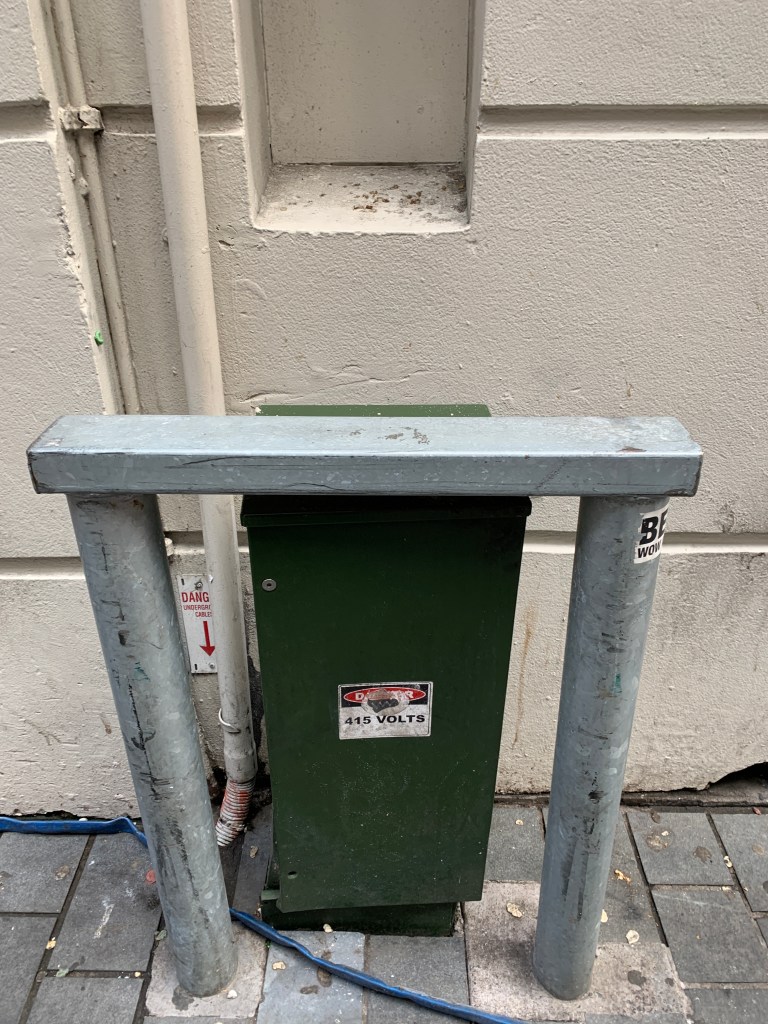

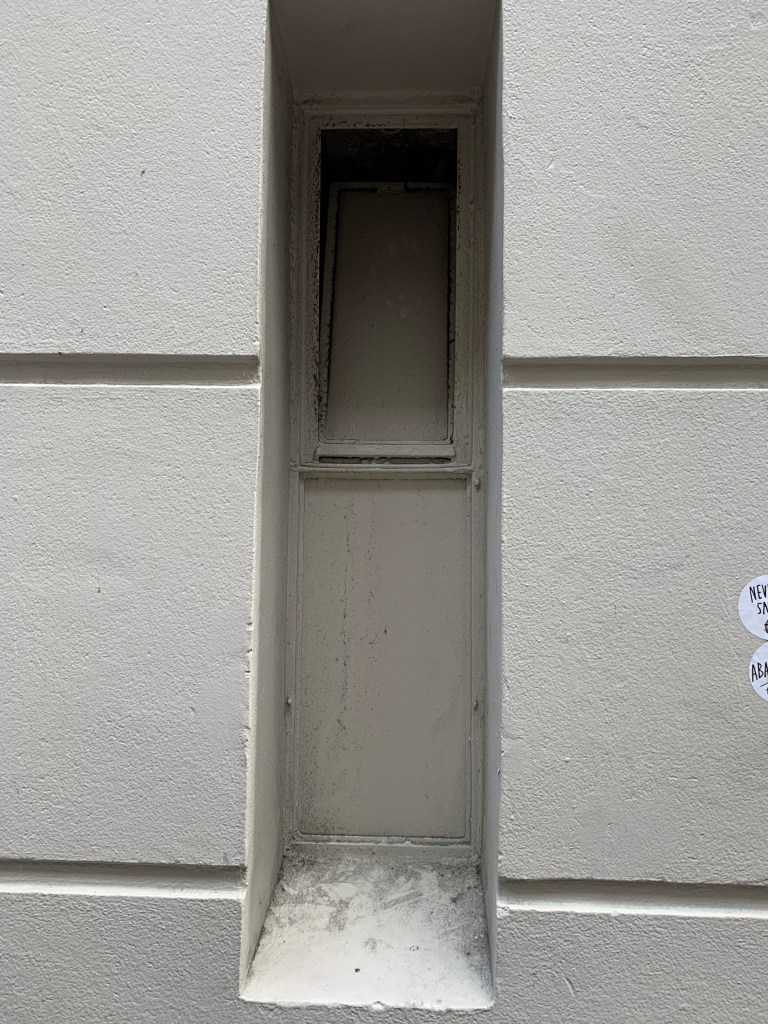

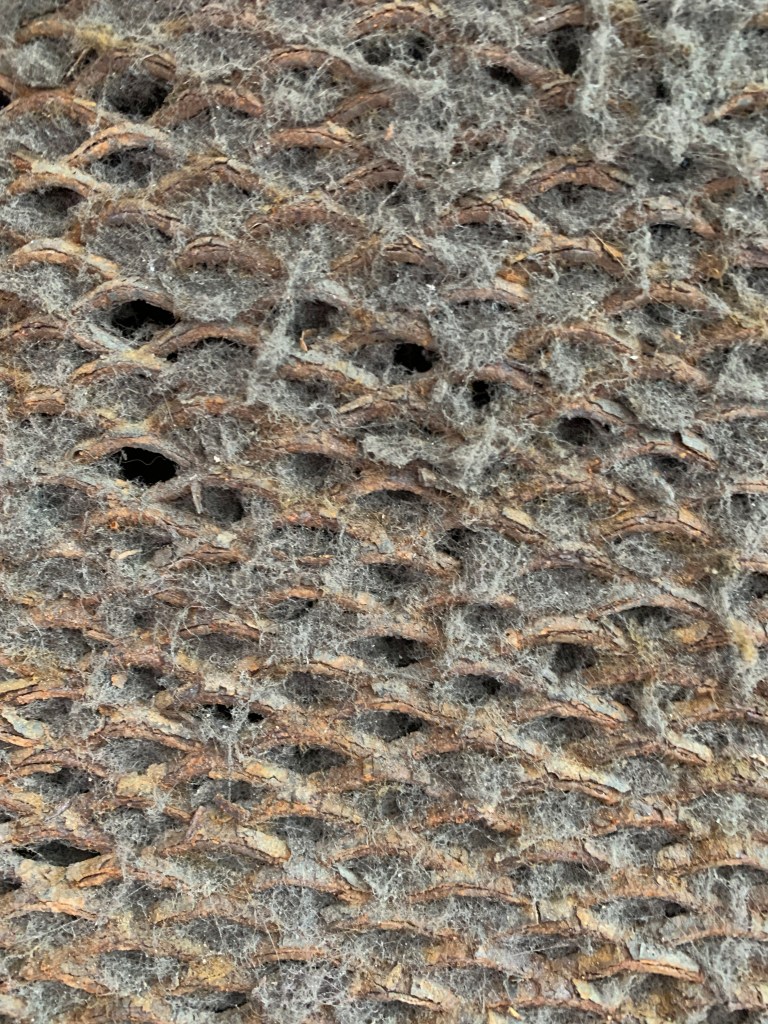


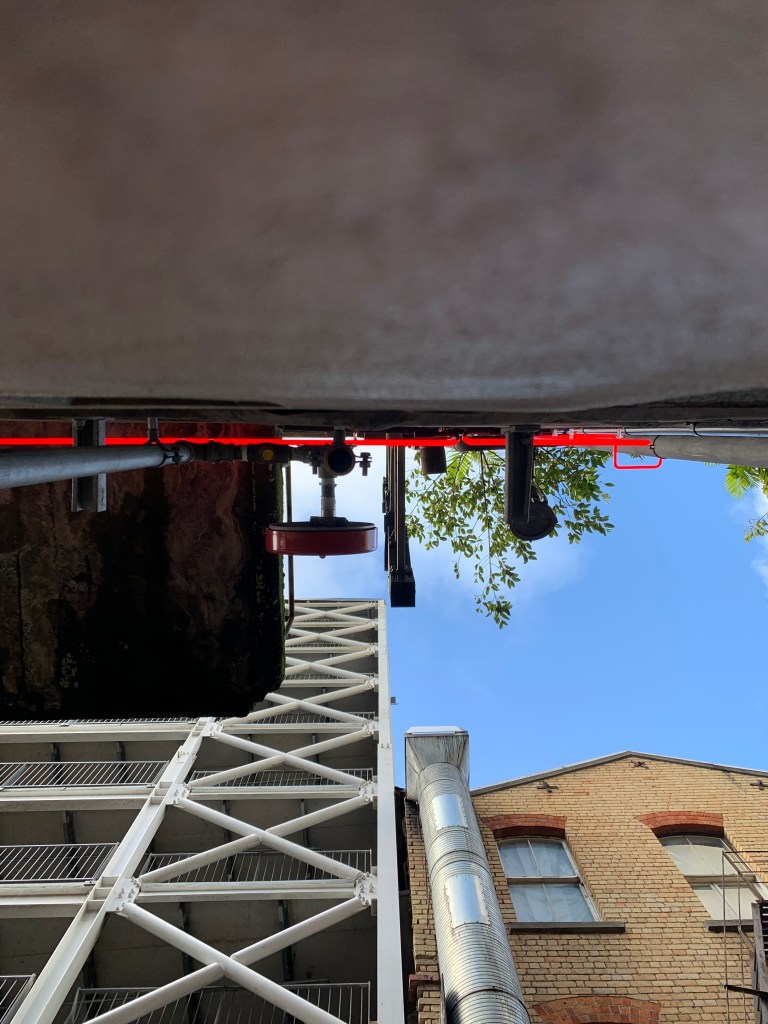
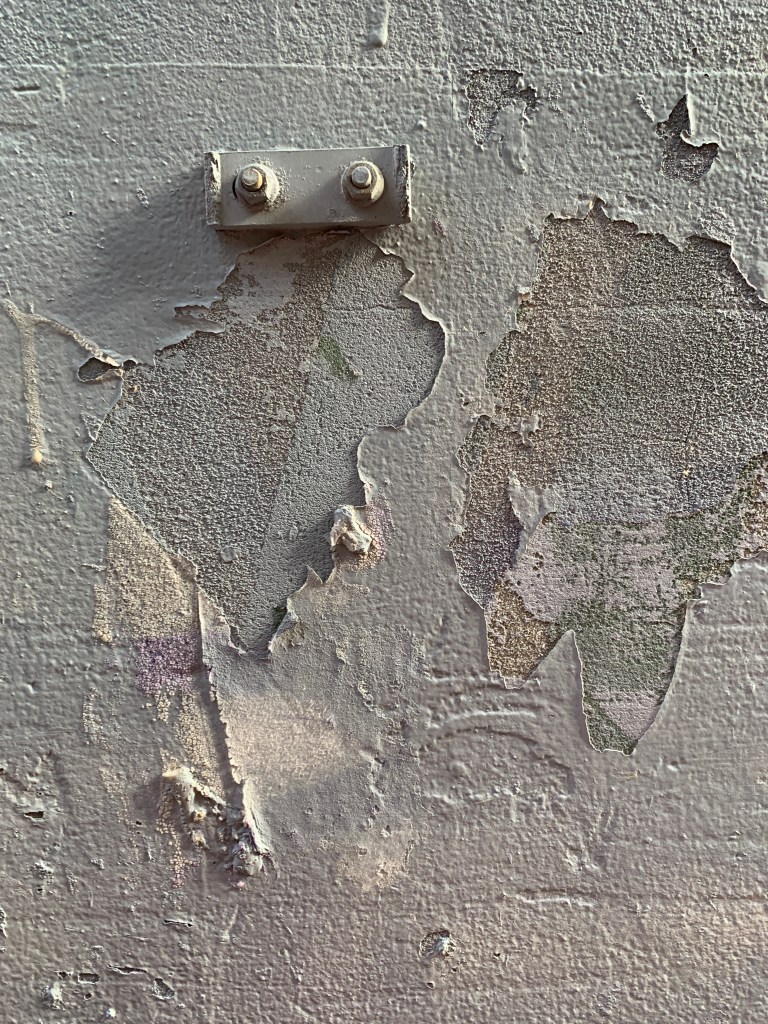
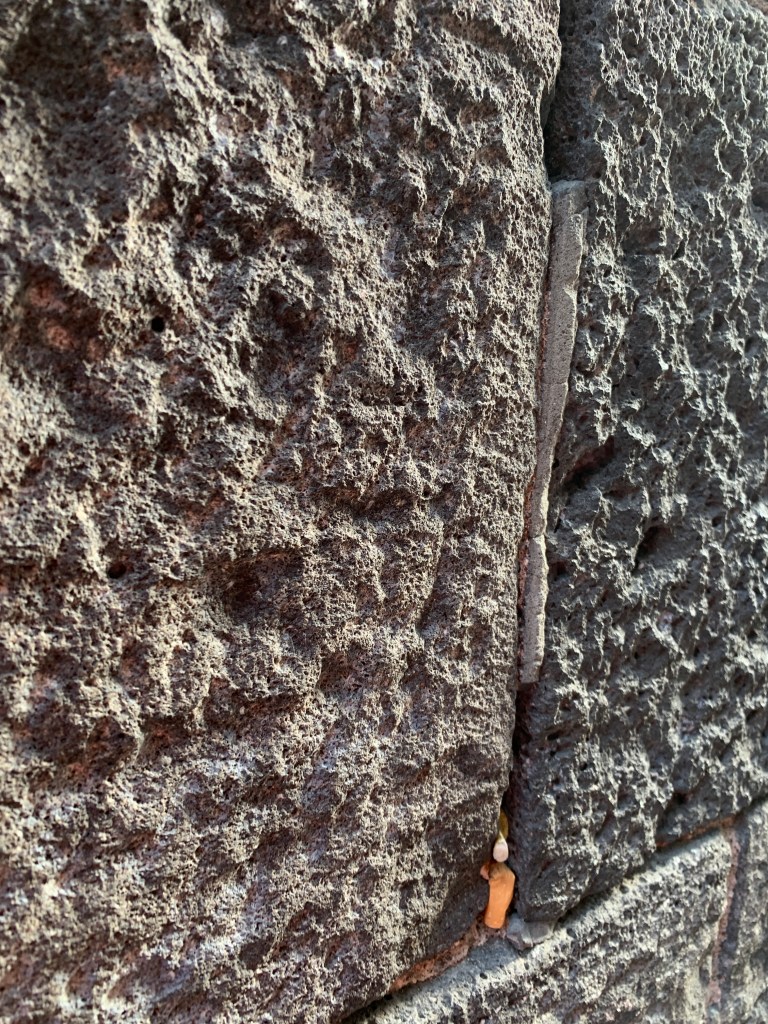
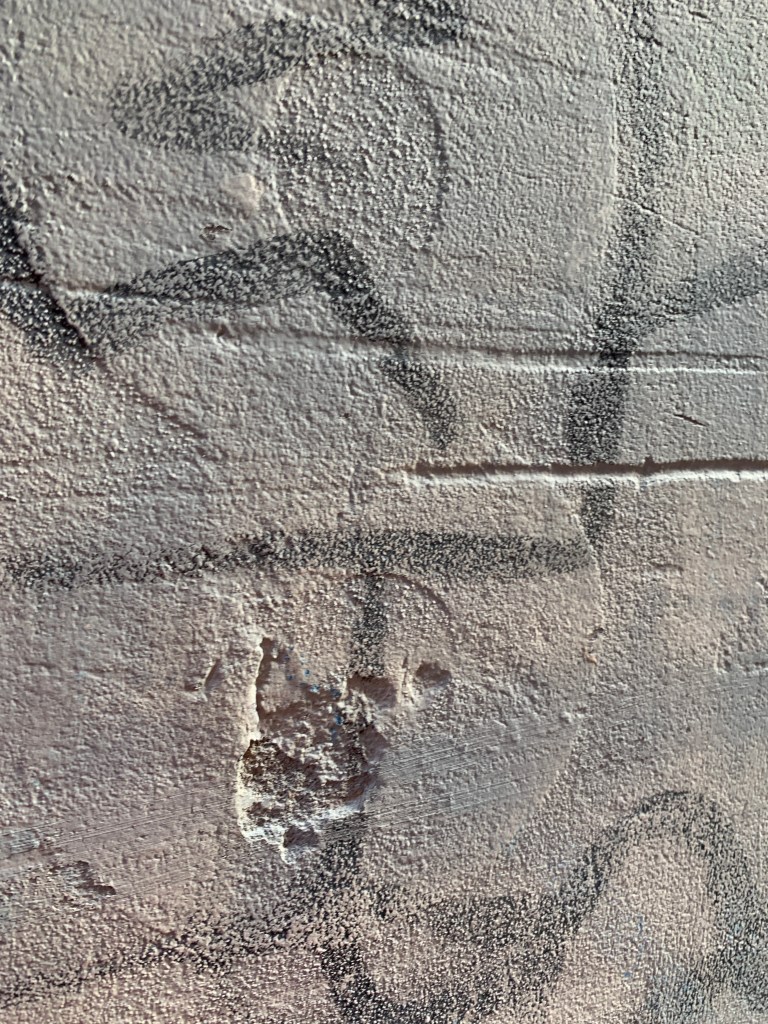
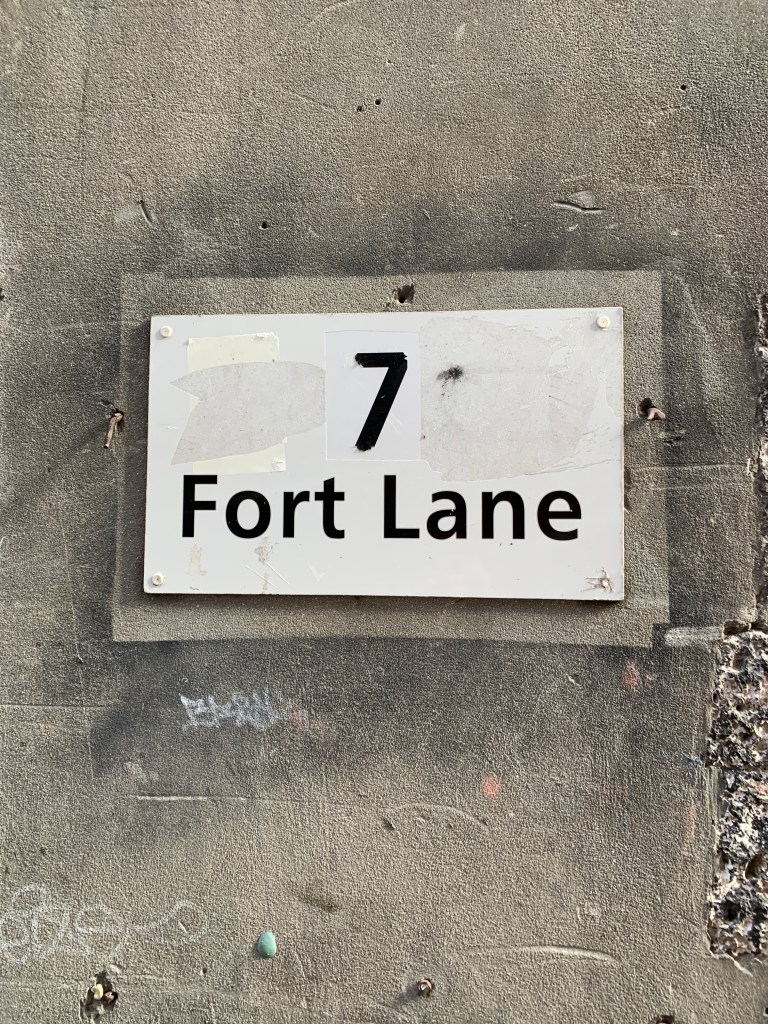
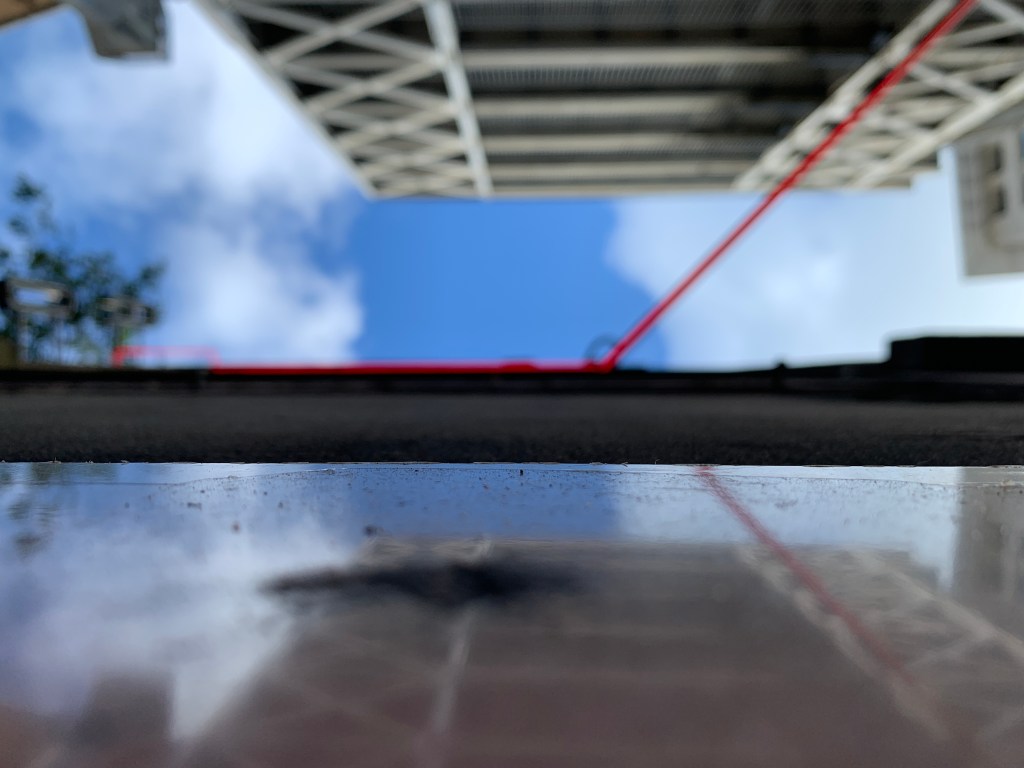
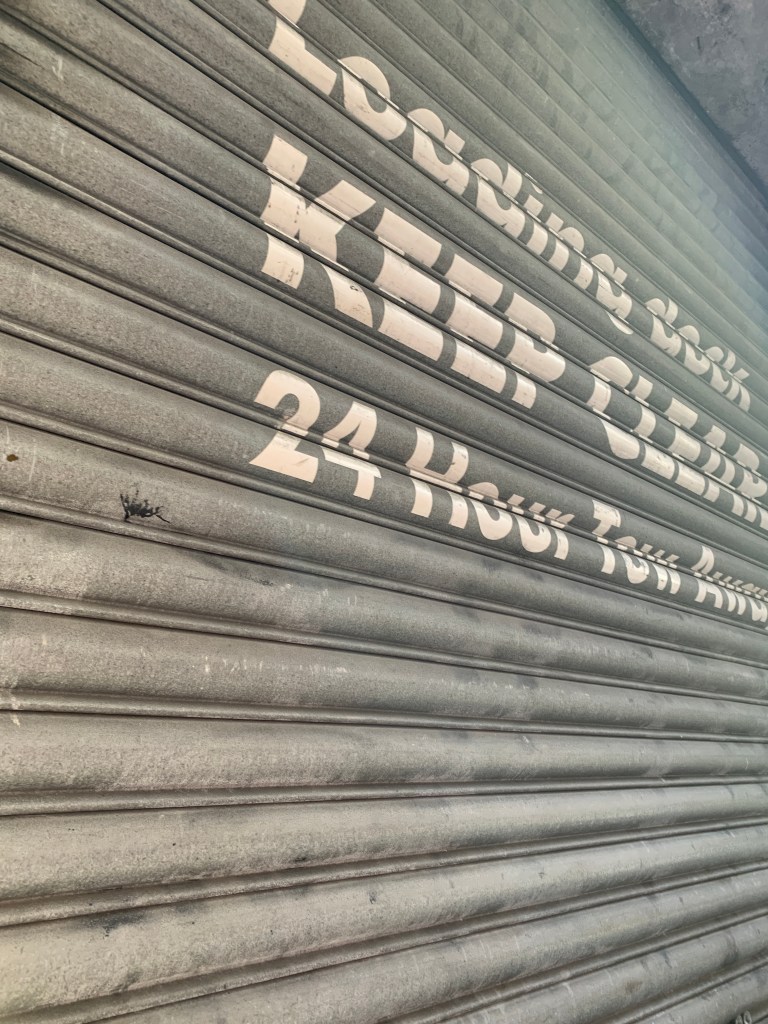

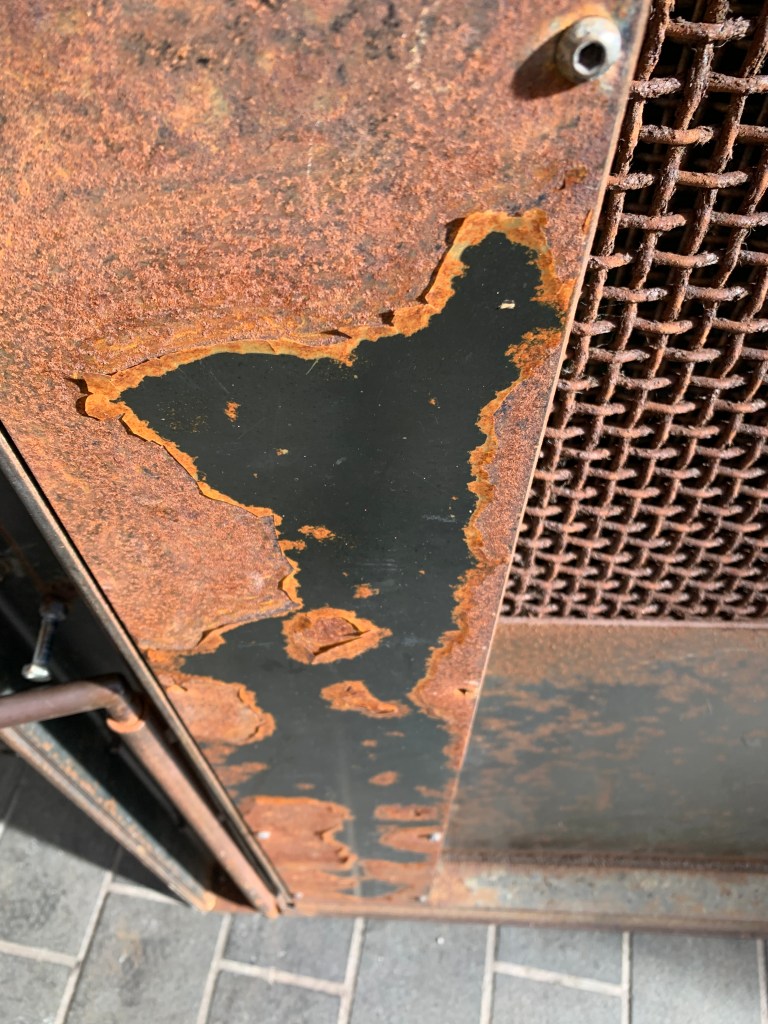
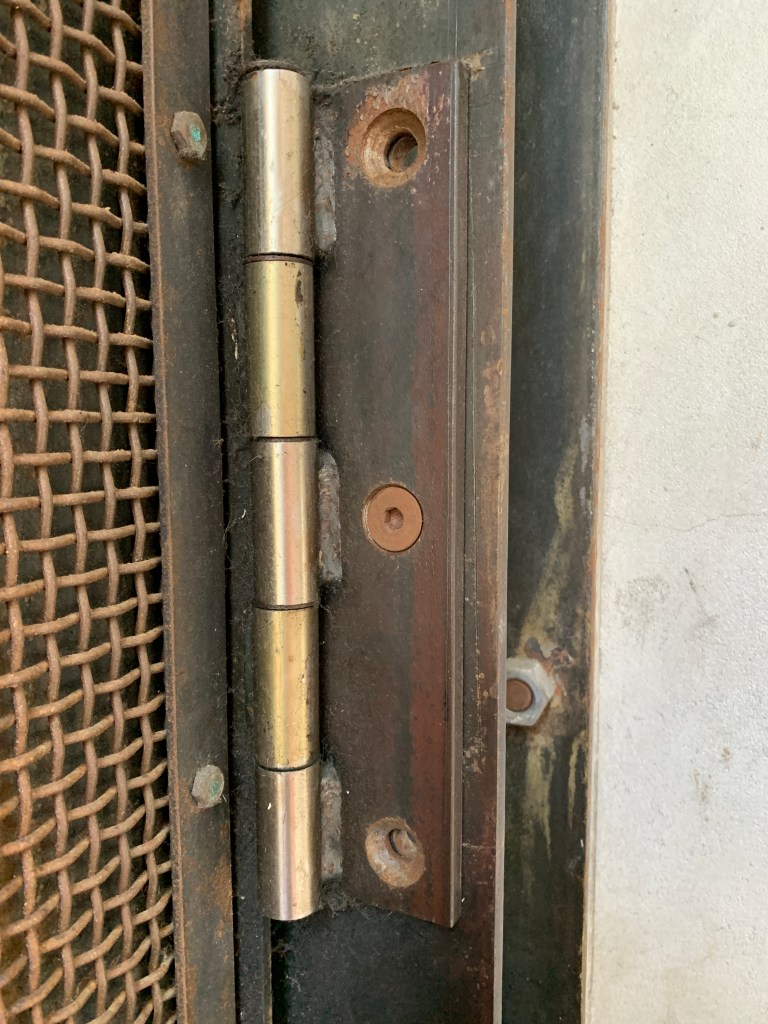
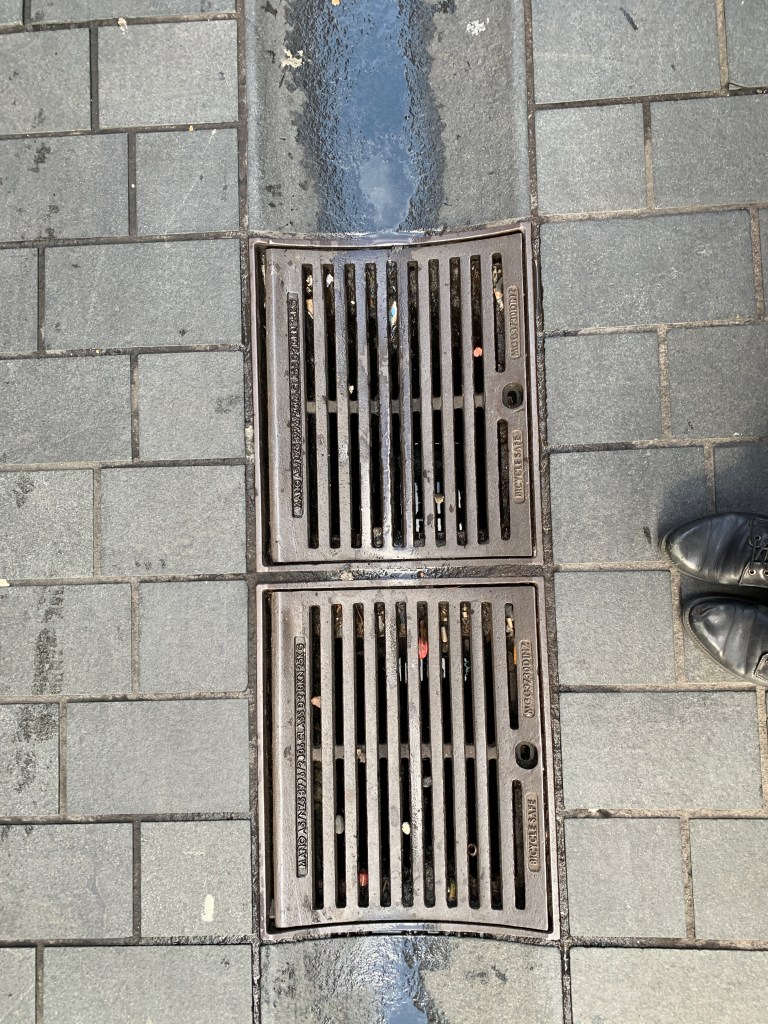
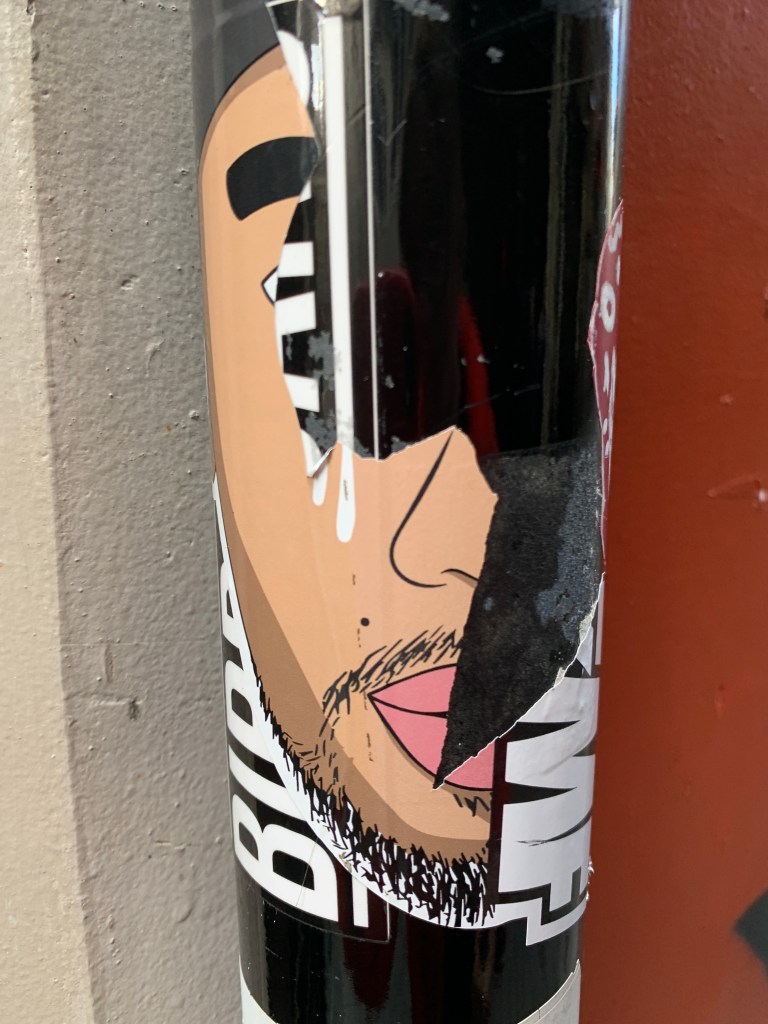
Reflection:
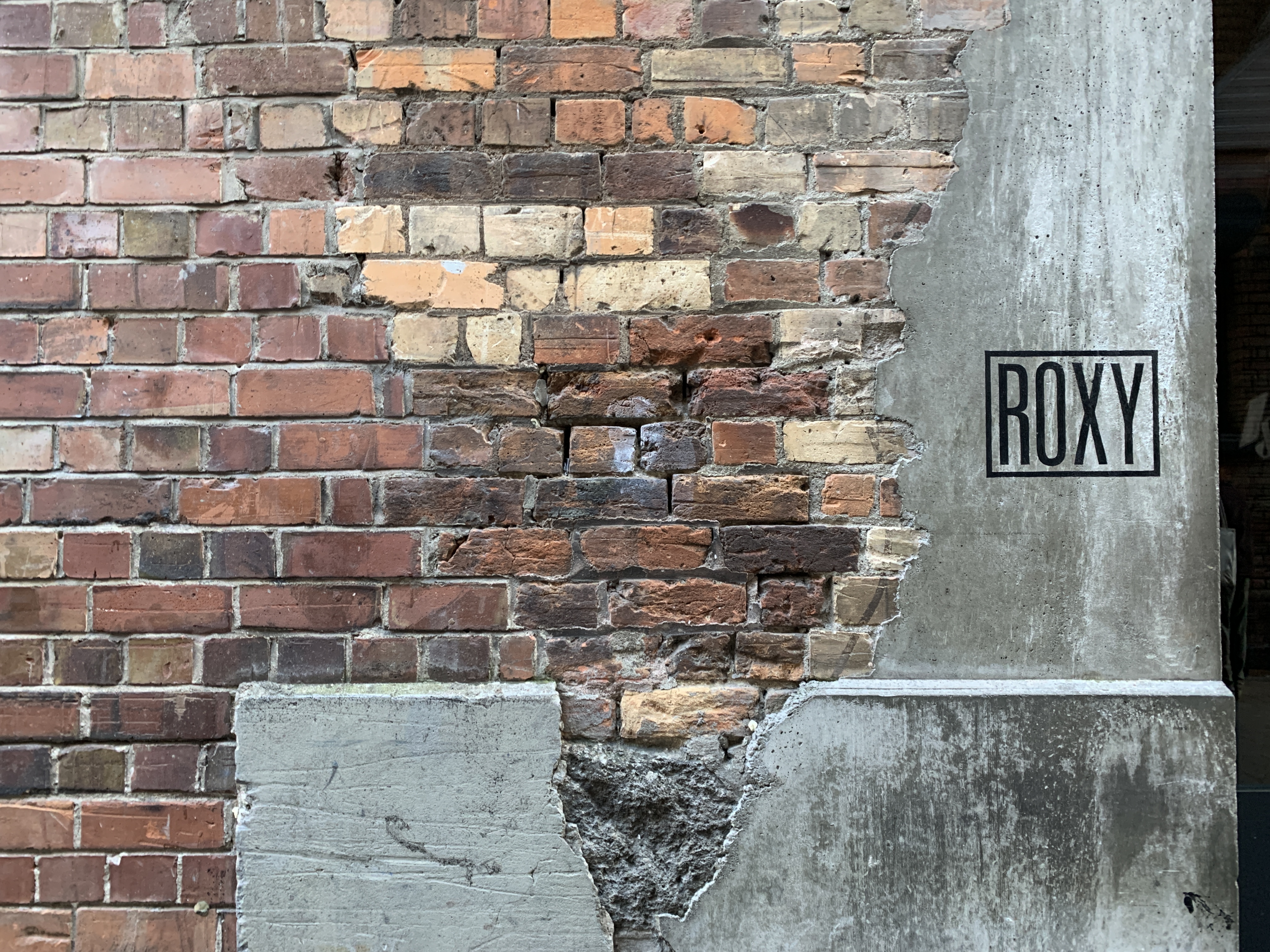
I was quote drawn to the textures on the walls, the peeling plaster, graffiti, gum stuck to wall, people using gaps in the architecture as rubbish buns, stickers plastered, cigarettes butts in drain cracks, electrical wires buzzing, joinery on doors, weaving and rusting of metal work, patchworks on brick walls and the skyline of looking directly up. These observations further cemented my interests of the structures on their side of the laneway and the how the materials have aged over time and been decorated with the presence of the careless human public. Hence why Id like to put the public in their place and question their position and their right in this shared public space which has been around decades before them. Time is an ever present notion breathing and remembering the space with traces of what was and challenging what is to be.
Exploring Above: Private Carpark Tower Commerce Street
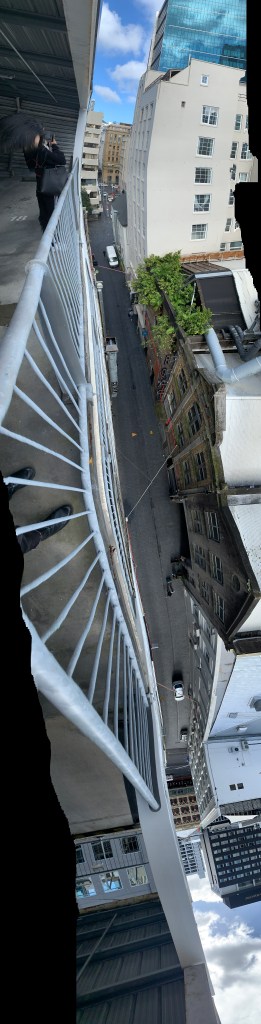
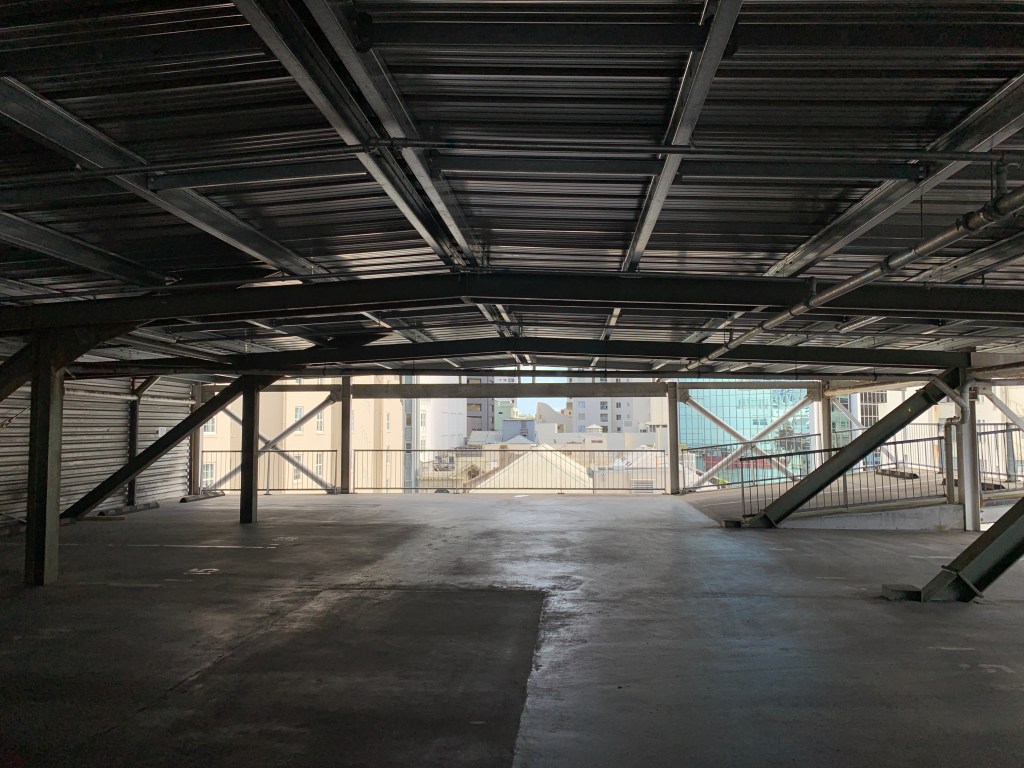
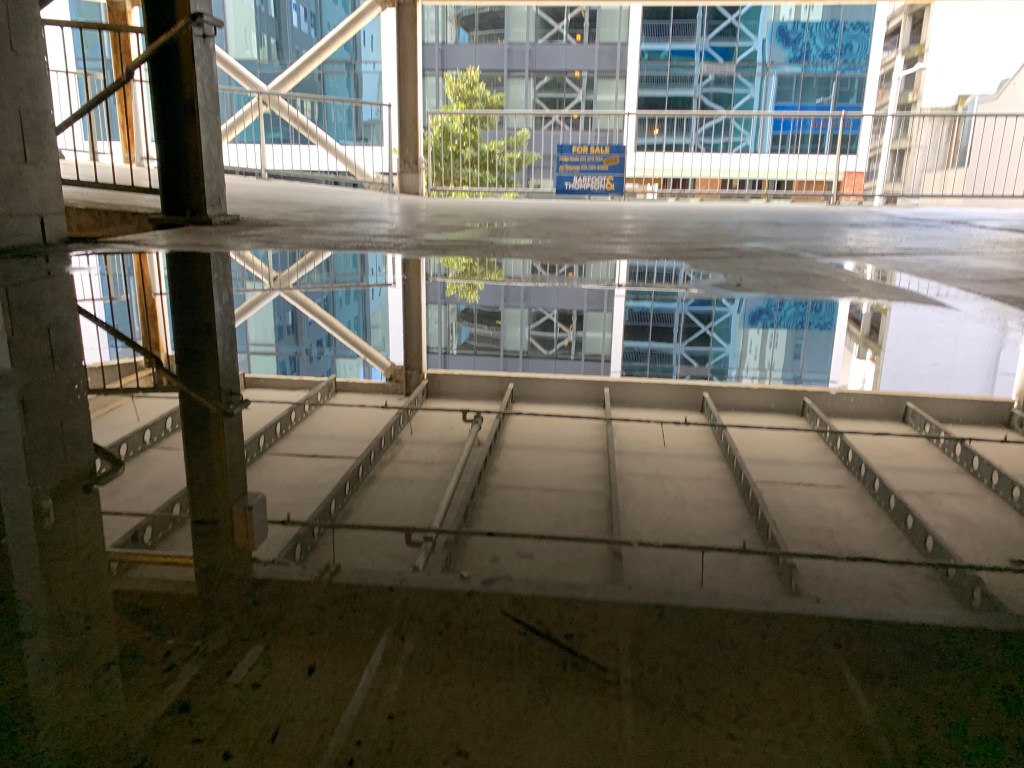
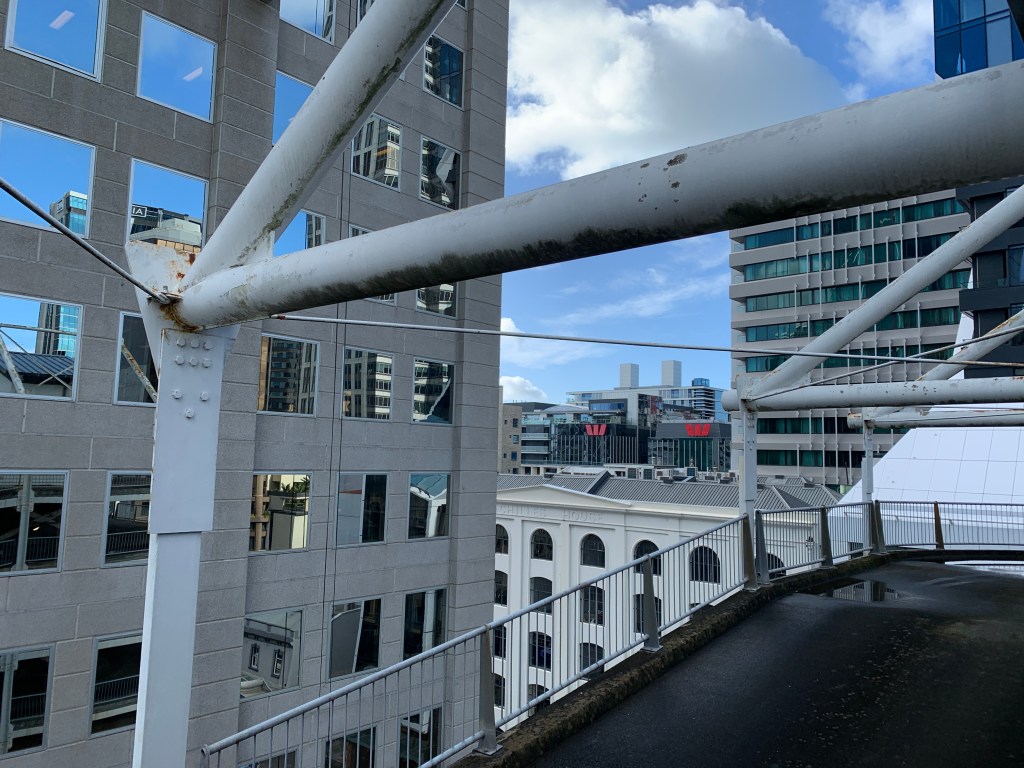
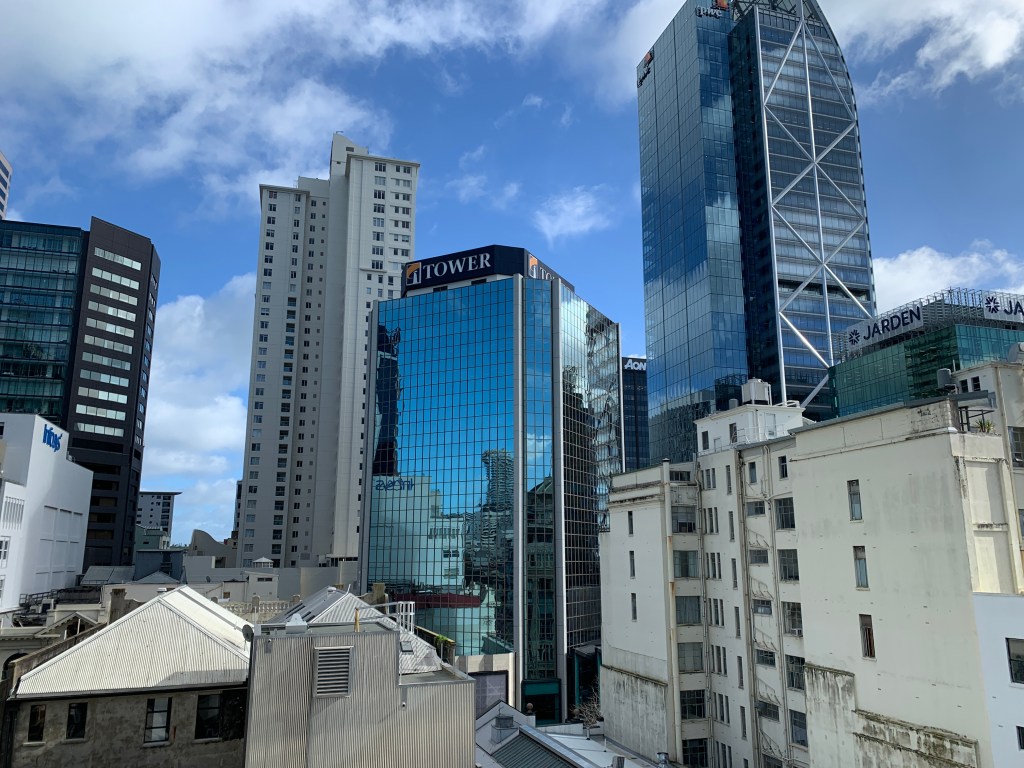
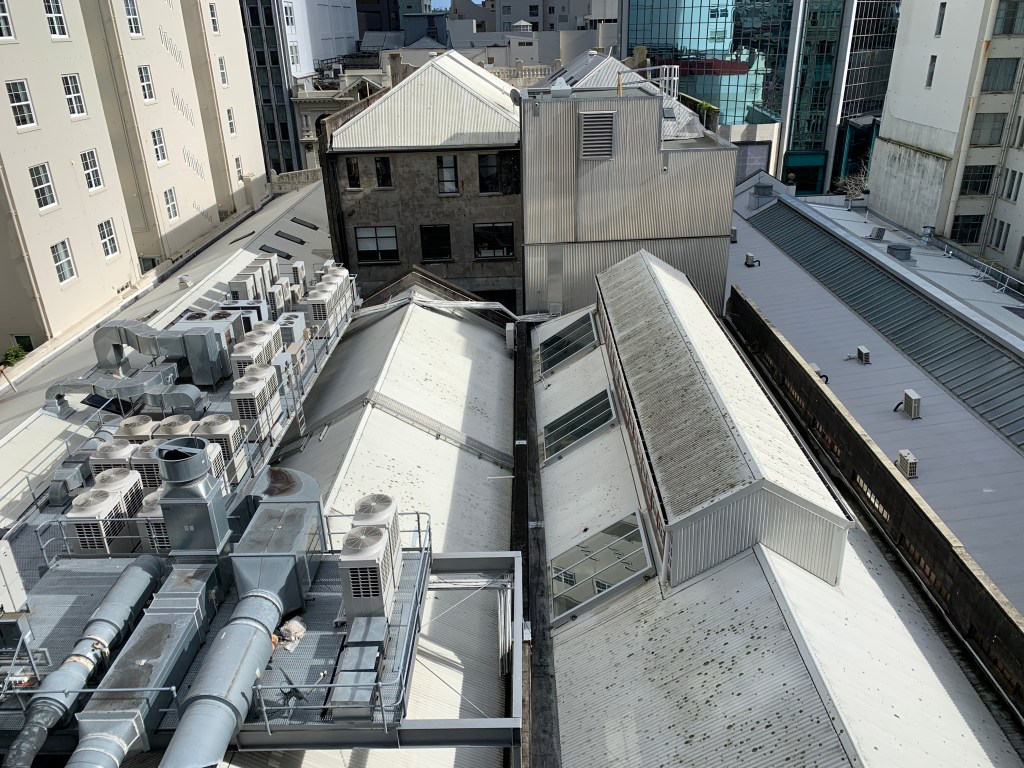

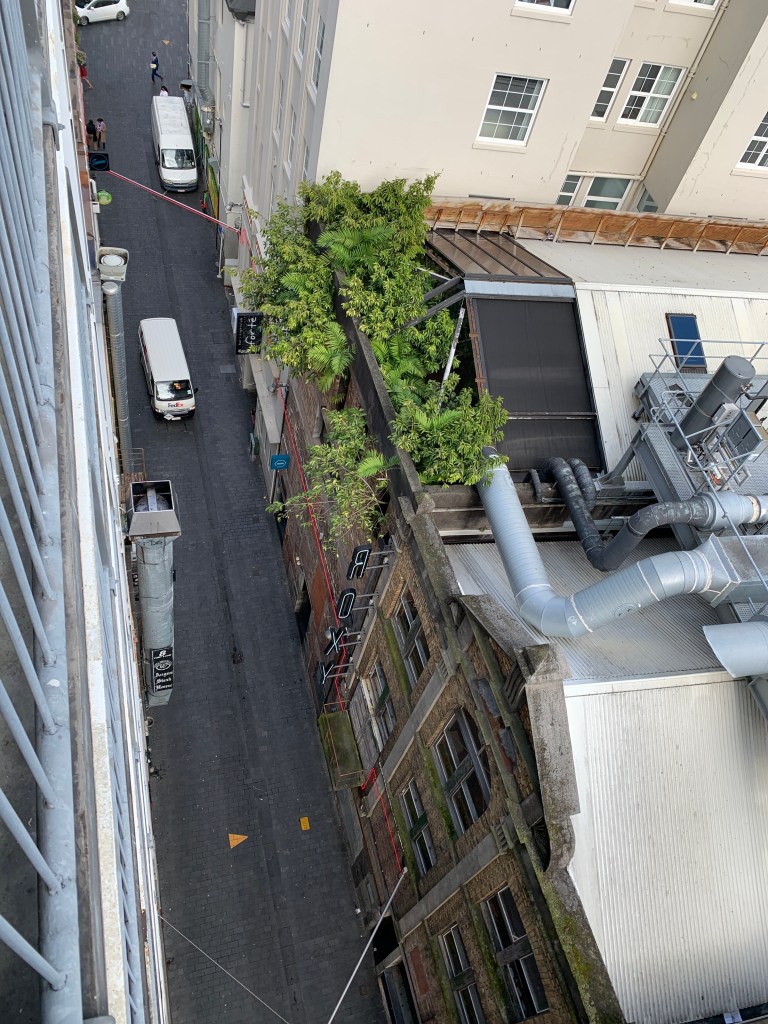


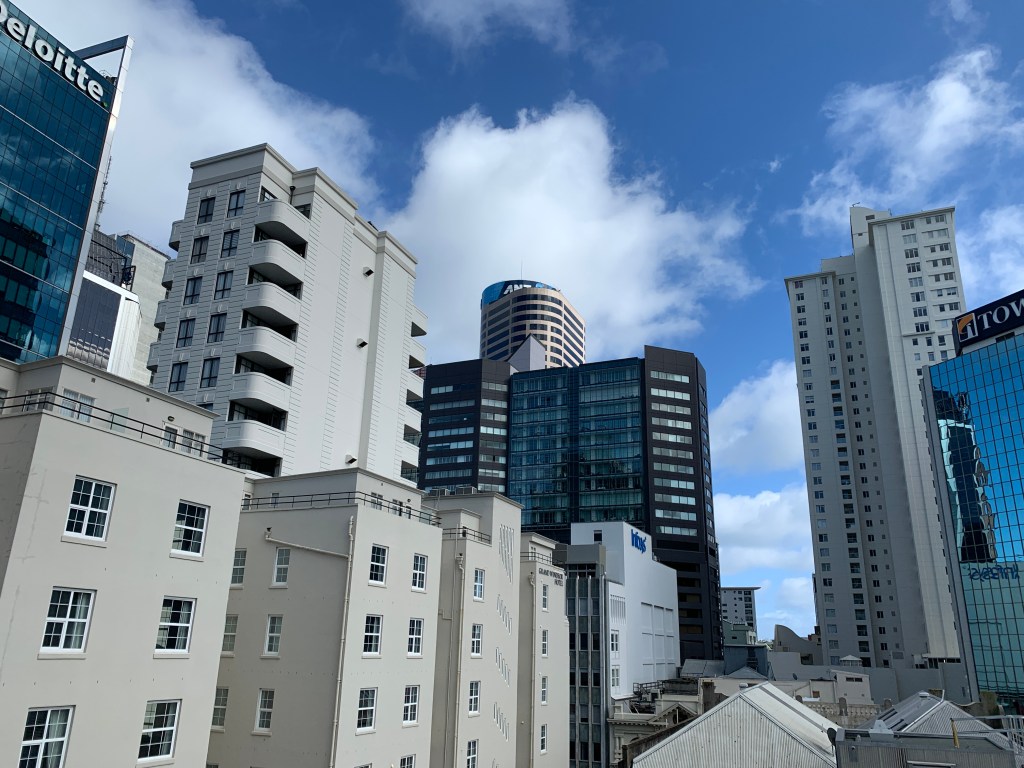


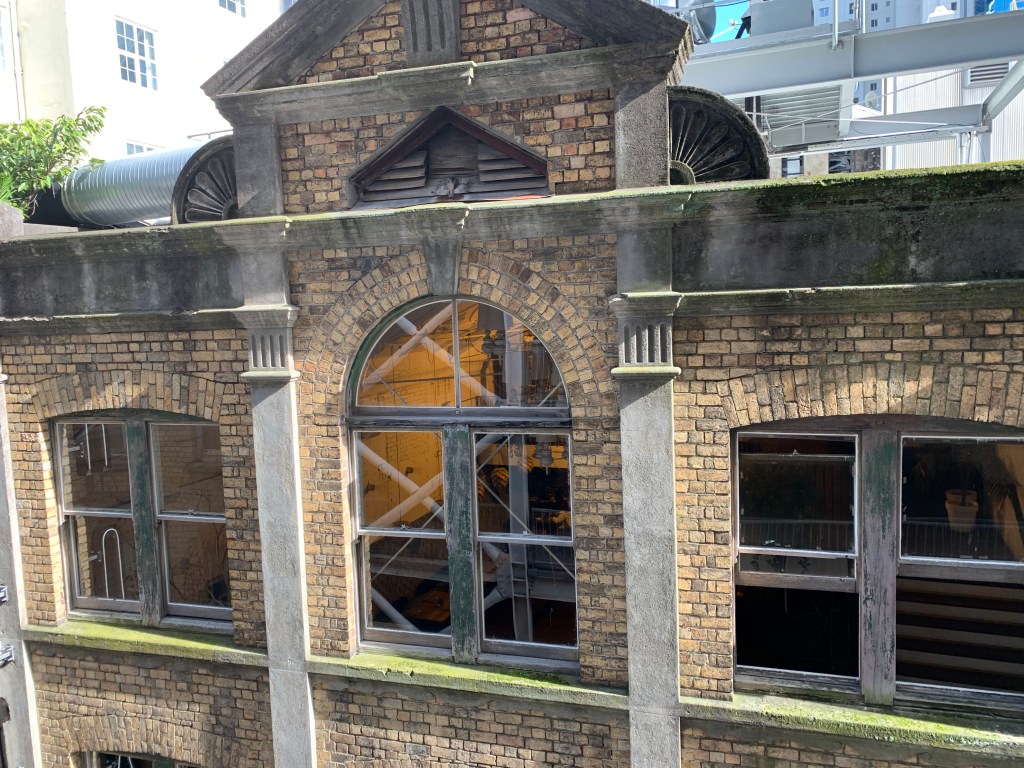
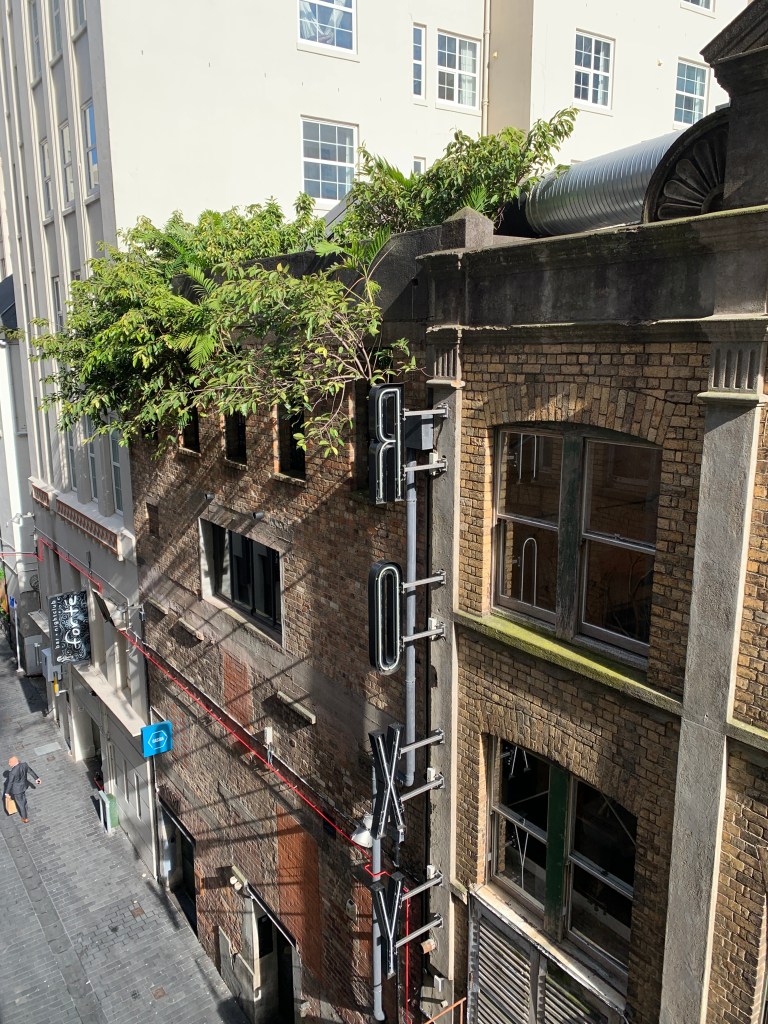
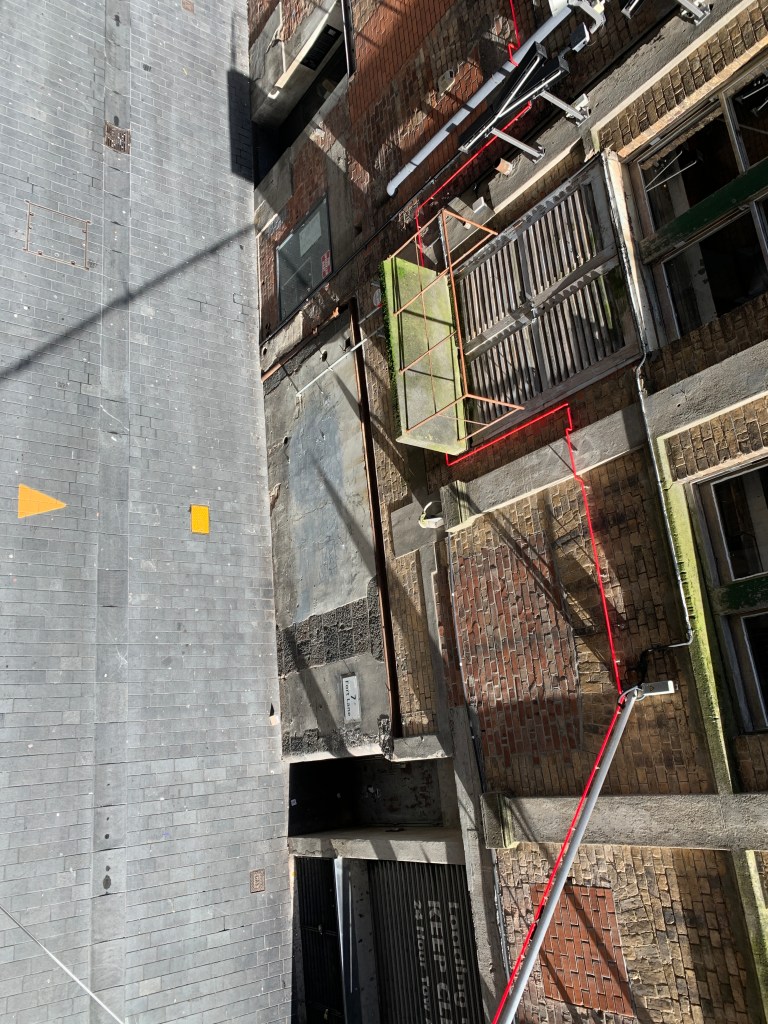
Reflection:
I had never visited this space before and I was amazed and very excited by this space on the height floor and looking down at Fort Lane from this height. Looking over the edge made me lightly anxious especially when taking photos with my phone over the edge. I loved the darkness of the carpark levels and the diagonal supporting structures. It was insightful to get a full view of the architecture surrounding and creating fort lane- the roof tops and kyskrapers glimmering in the sunlight.
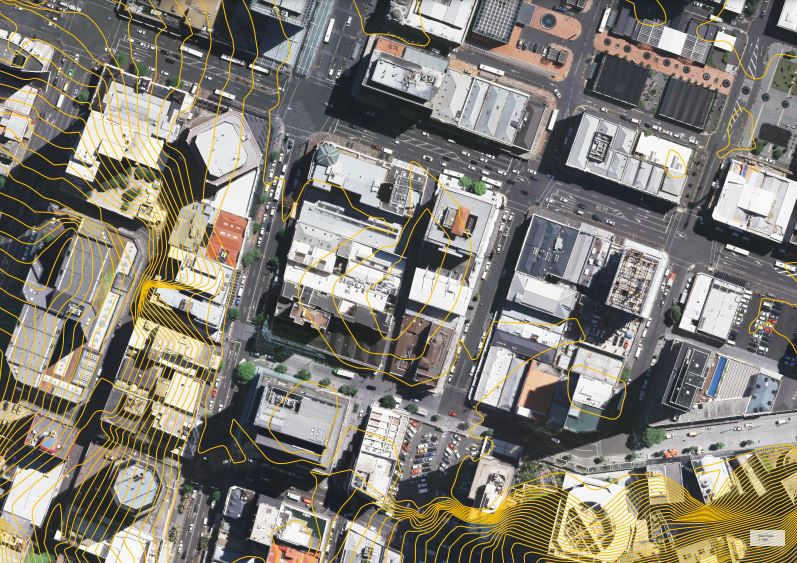
 Urban Itinerary: Cinematic Space