.
Moon Gates
A moon gate is a circular opening, usually in a garden wall, which acts as a passageway. In China, where the gates were built in the gardens of wealthy nobles, various parts of the form and its ornamentation carry meaning. More generally, though, a moon gate is thought to offer an auspicious welcome or fortune to those who pass through. English gardeners borrowed the idea from China in the late 19th century. American gardeners immediately followed suit.
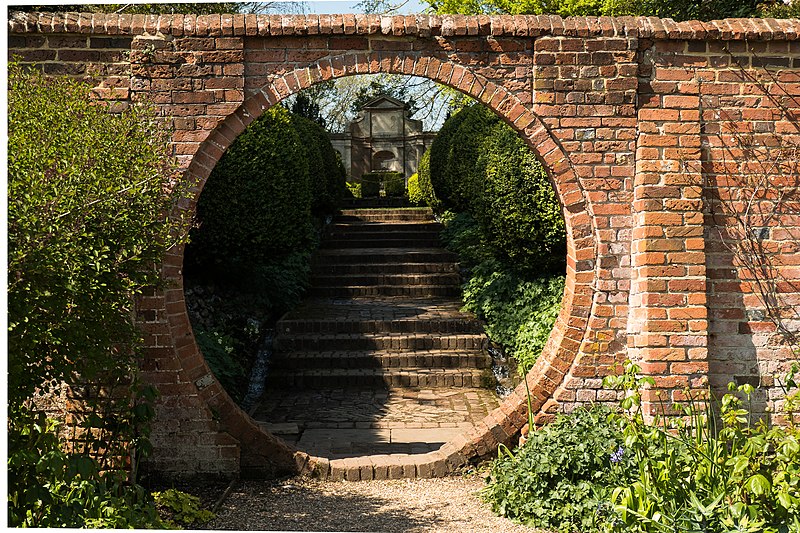
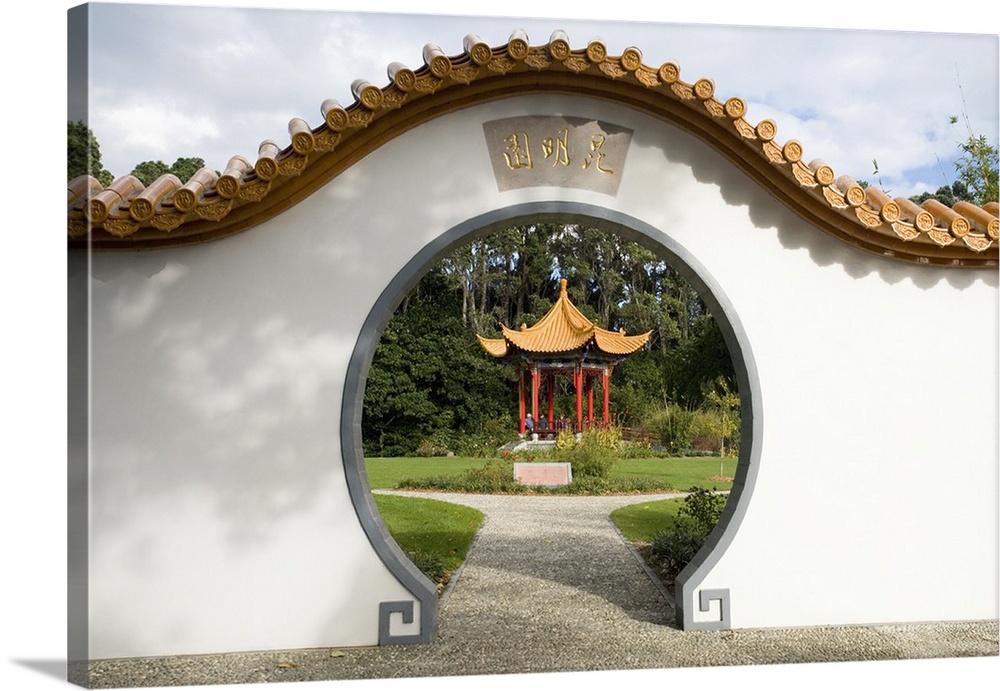
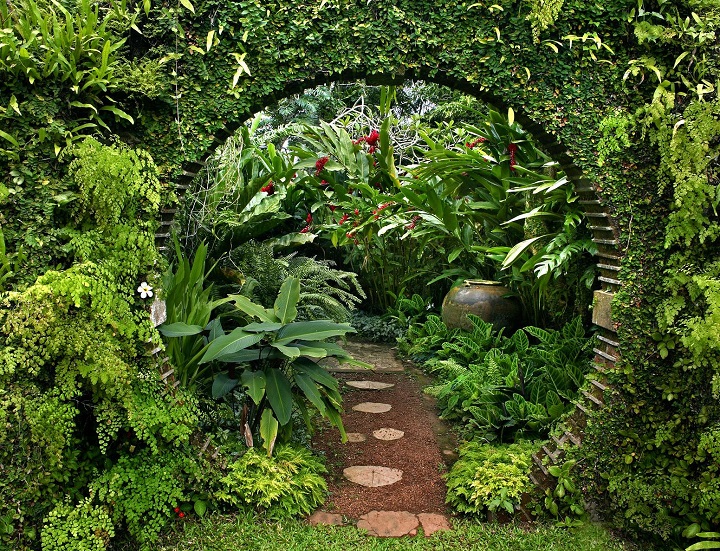
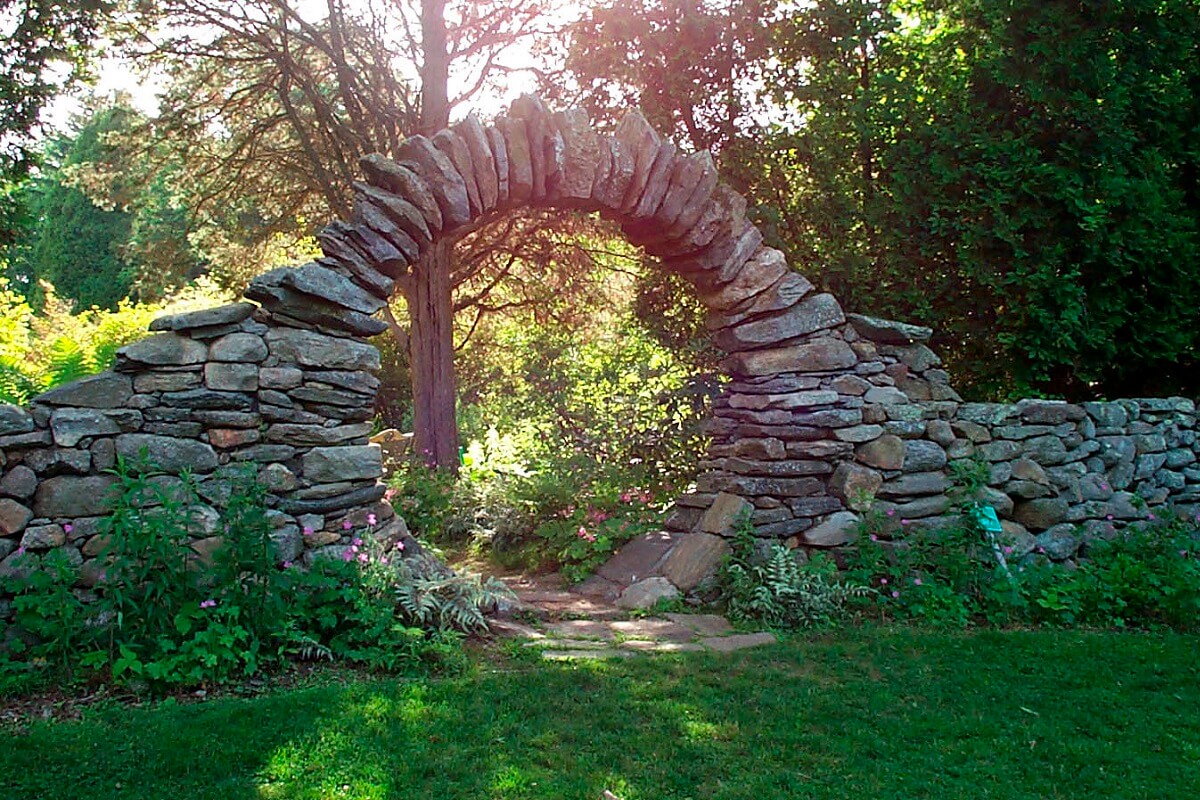
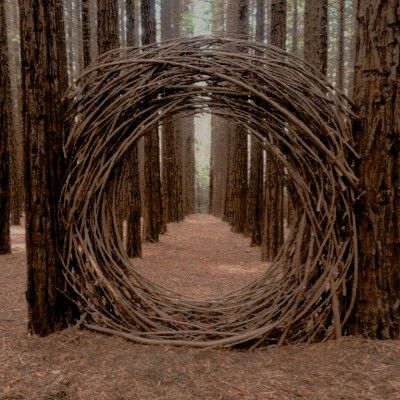
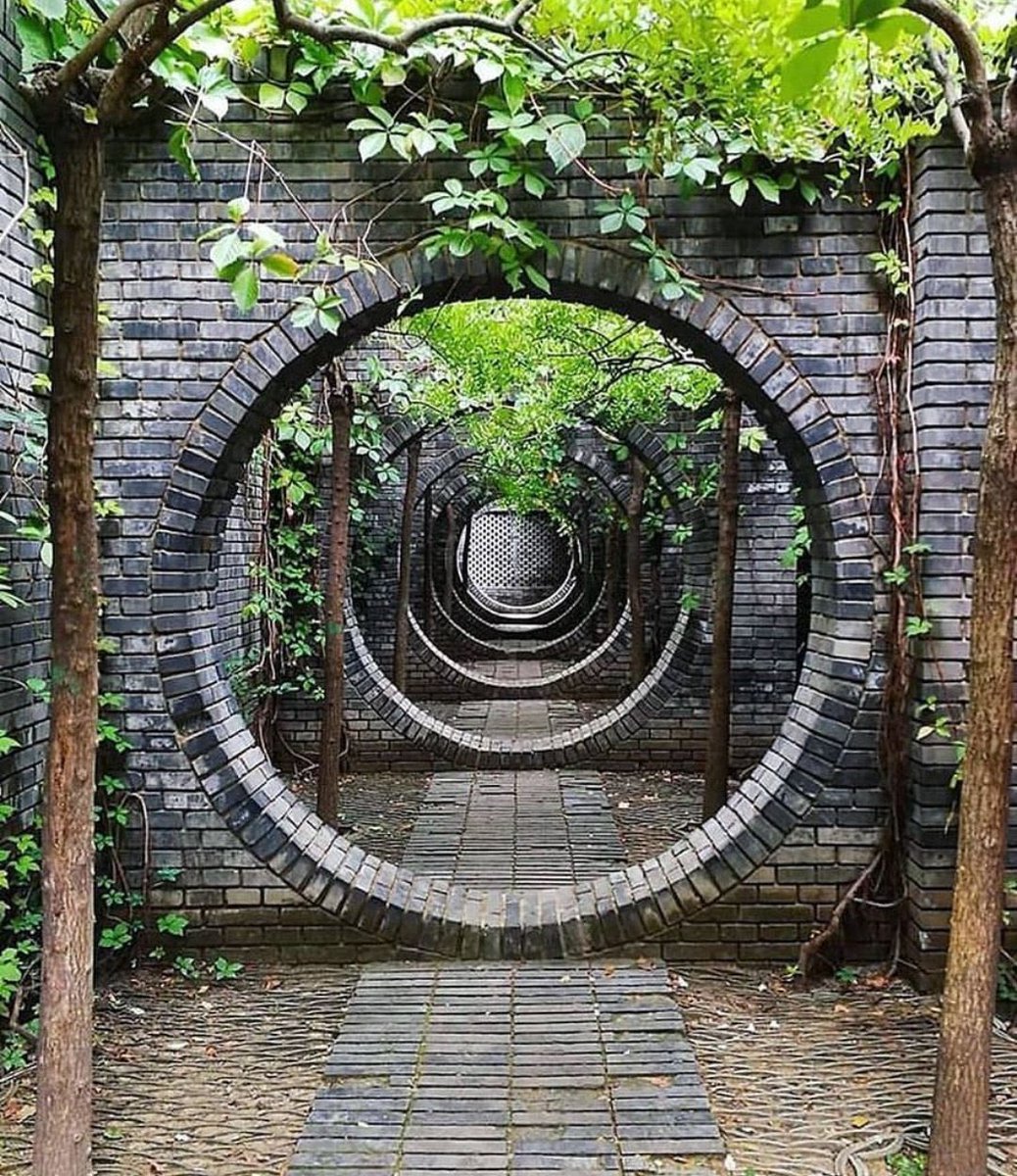
When considering the materiality of the moon gate entrance and exit in my design proposal I am really diving in to the purpose of my concept and what best fits within the site with consideration to its history. I believe ultimately the concept of our inevitable death is our body’s return to nature. Therefore, my concept is not done justice if I don’t incorporate this somehow. If i took a more natural approach rather than artificial and cinematic, I can create a design which really enhances the space in which it’s built.
This makes me think of scene transitions: how can i create a space which communicates our life cycle and the importance and beauty of death through a transitional journey through this long and linear space.


MOON GARDENS
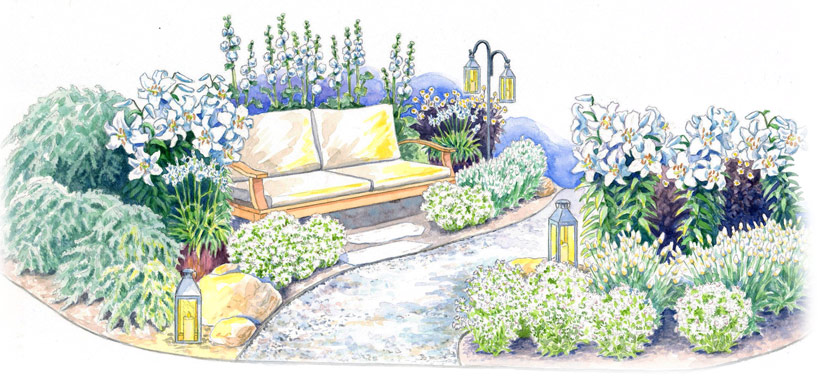
Moon gardens are enchanting moon-flower beds made up of white or pale hued flowers that bloom late in the day and silvery-white foliage. Plus, they are natural habitats that contribute to the ecology of its environment with its intoxicating aromas and magical display, a moon garden will delight onlookers and passers during any phase of the moon. A moon garden should consist of flowers and plants designed to reflect moonlight but also remain visible and fragrant during an obscured or new moon. White flowers should occupy most of the garden along with plants with silver and gray foliage. Other pale hues to consider include pink, yellow and lavender.
The poetic: Night time is wisdom. Looking back at the day of life we’ve just left. Young souls bloom during the day -while wise angel souls bloom at night. To be the most alive before fading into dreams. The end has more answers than the beginning.
Plants

Moon Flower (Datura)
Ipomoea alba
Moonflower is one of the most romantic plants you can grow in a garden. The large, trumpet-shape flowers unfurl in the evening and stay open until the sun rises. Several varieties of moonflower also give off a lemon fragrance when its flowers are open. They begin to open in the late afternoon, and remain open until mid-morning the following day. Plants have large decorative heart-shaped leaves, flowers that will fully open in the space of a few minutes

Star Jasmine
Trachelospermum jasminoides
Star jasmine is one of the most popular evergreen plants in Auckland. This evergreen tropical vine is well-loved for its fast growth and gorgeous-smelling flowers that bloom from mid-spring to late summer. They are incredibly hardy, resistant to drought and even frost, and can handle clay soils.

Bleeding Herats ‘White Gold’
Dicentra Spectabilis
Bleeding heart is a delicate woodland plant with fern-like foliage with clusters of heart-shaped white, pink or pink and white flowers along arching stems in late spring and summer. This plant dies down in winter and will reshoot in early spring.
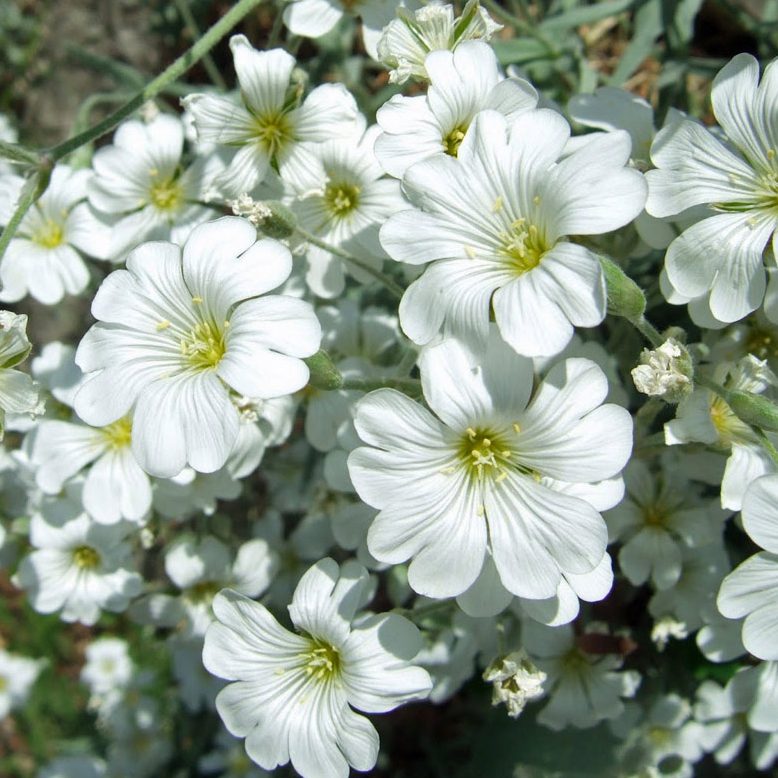
Cerastium Silver Carpet/ Snow in Summer
Cerastium tomentosum
These low spreading perennials look great when planted in large swaths. Snow-in-Summer, or Cerastium Silver Carpet, create paths of flowers that will twinkle through the night. The silvery gray stems have a natural reflective aspect throughout the year while producing white star-shaped flowers
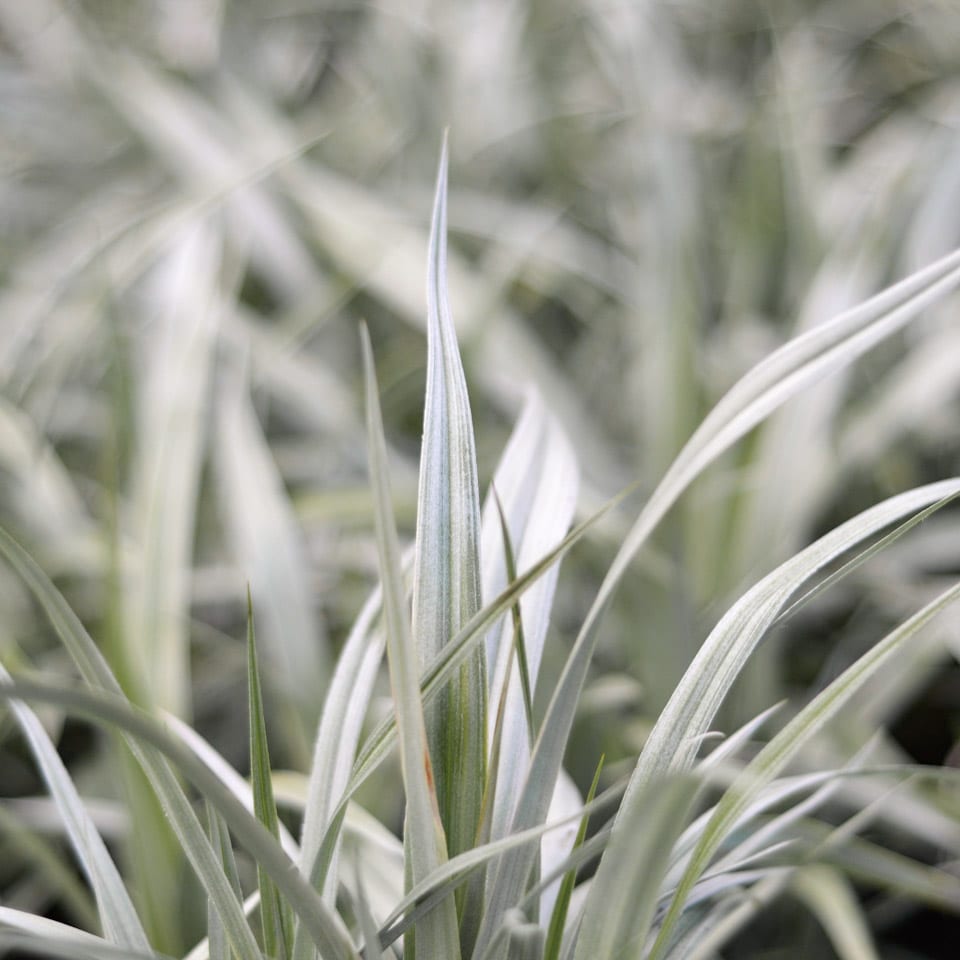
Silver Spear
Astelia chathamica
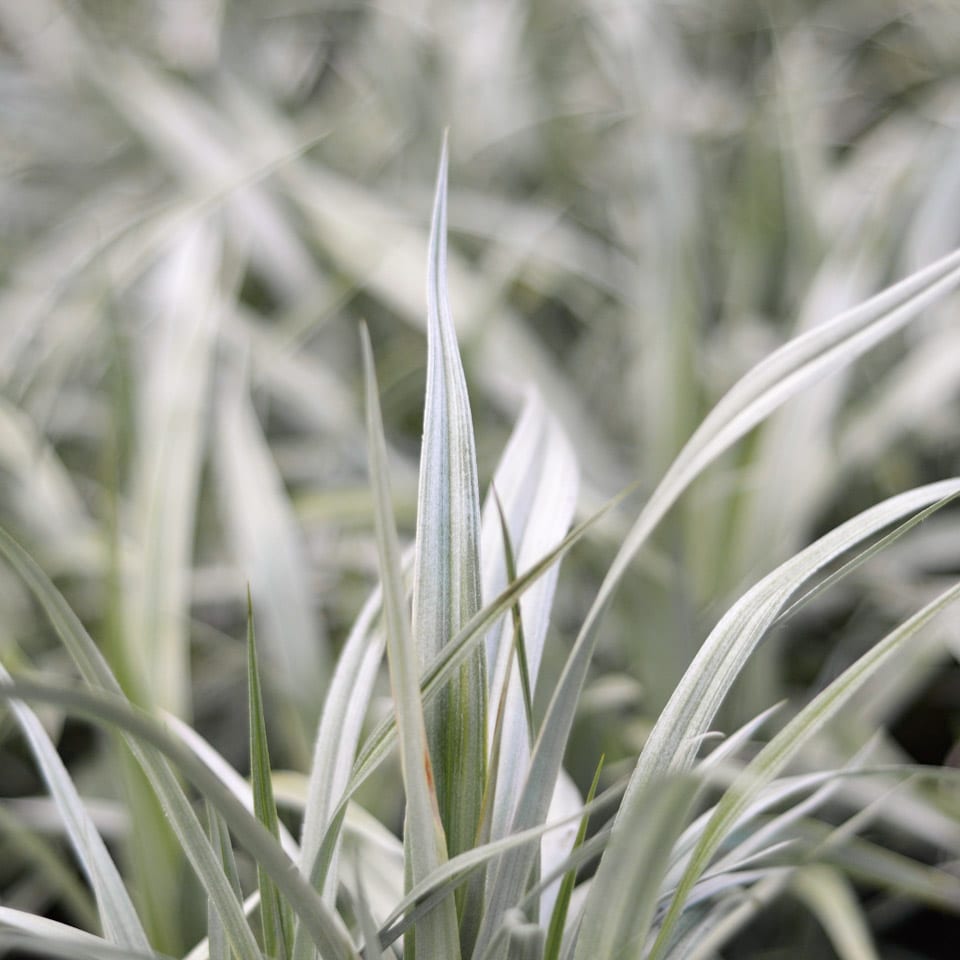
Silver-leaved plants like New Zealand native Astelia species have a luminous quality at night, beautifully complementing white and pastel blooms. Astelia banksii and Astelia chathamica are the two most commonly grown species in the genus, with new silver-striped cultivars coming on all the time.
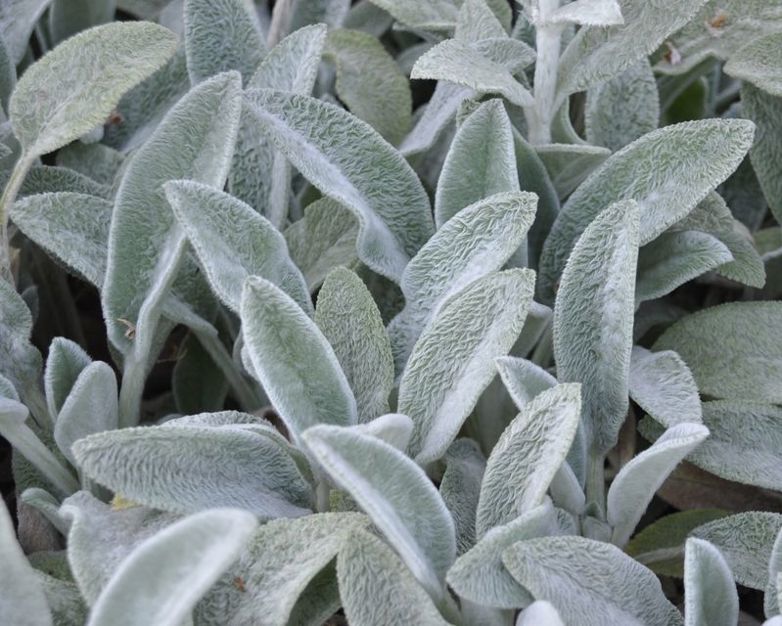
Lamb’s Ear
Stachys byzantina
Stachys byzantina, the lamb’s-ear or woolly hedgenettle, is a species of flowering plant in the mint family Lamiaceae, native to Armenia, Iran, and Turkey. It is cultivated over much of the temperate world as an ornamental plant, and is naturalised in some locations as an escapee from gardens.
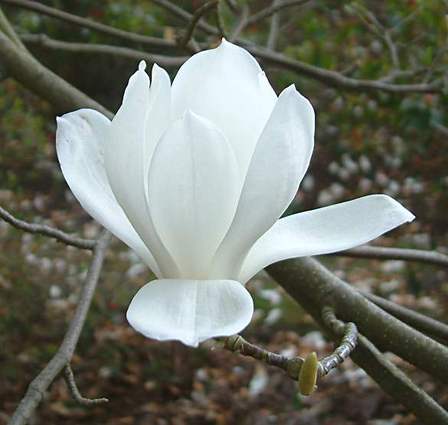
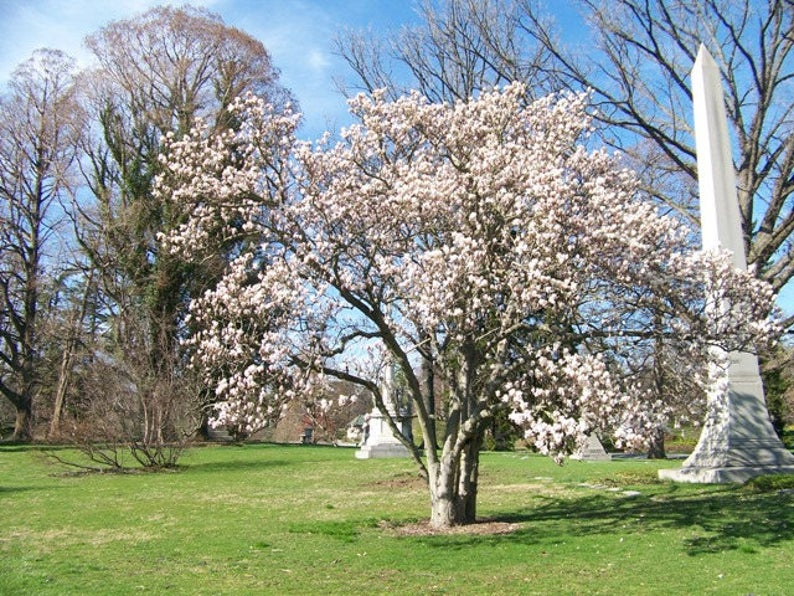
Yulan Magnolia
The Magnolia Denodata blooms in late winter to early spring and is rich with a lemony fragrance. This tree in itself is a site to see within Fort Lane for a limited time of the year.
Considered one of the most beautiful magnolias, Magnolia Denudata is a Chinese native with spectacular goblet shaped, citrus scented flowers. Pure white blooms with broad, fleshy petals appear on bare branches in early spring. A broadly pyramidal form, perfect as a feature or screen. Estimated 10 years growth and grows best in part shade.
–
Planters
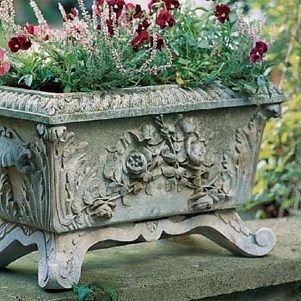
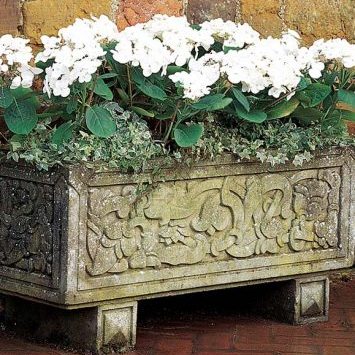
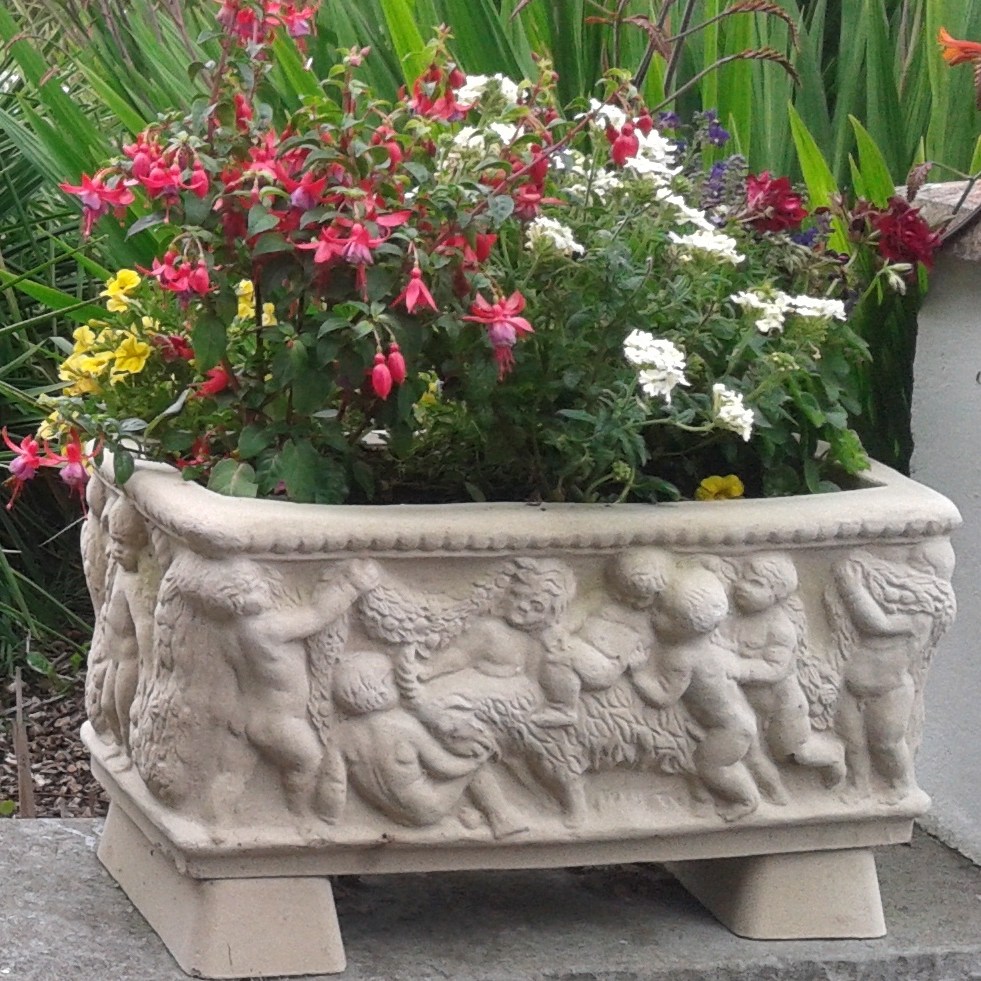
.
 Urban Itinerary: Cinematic Space