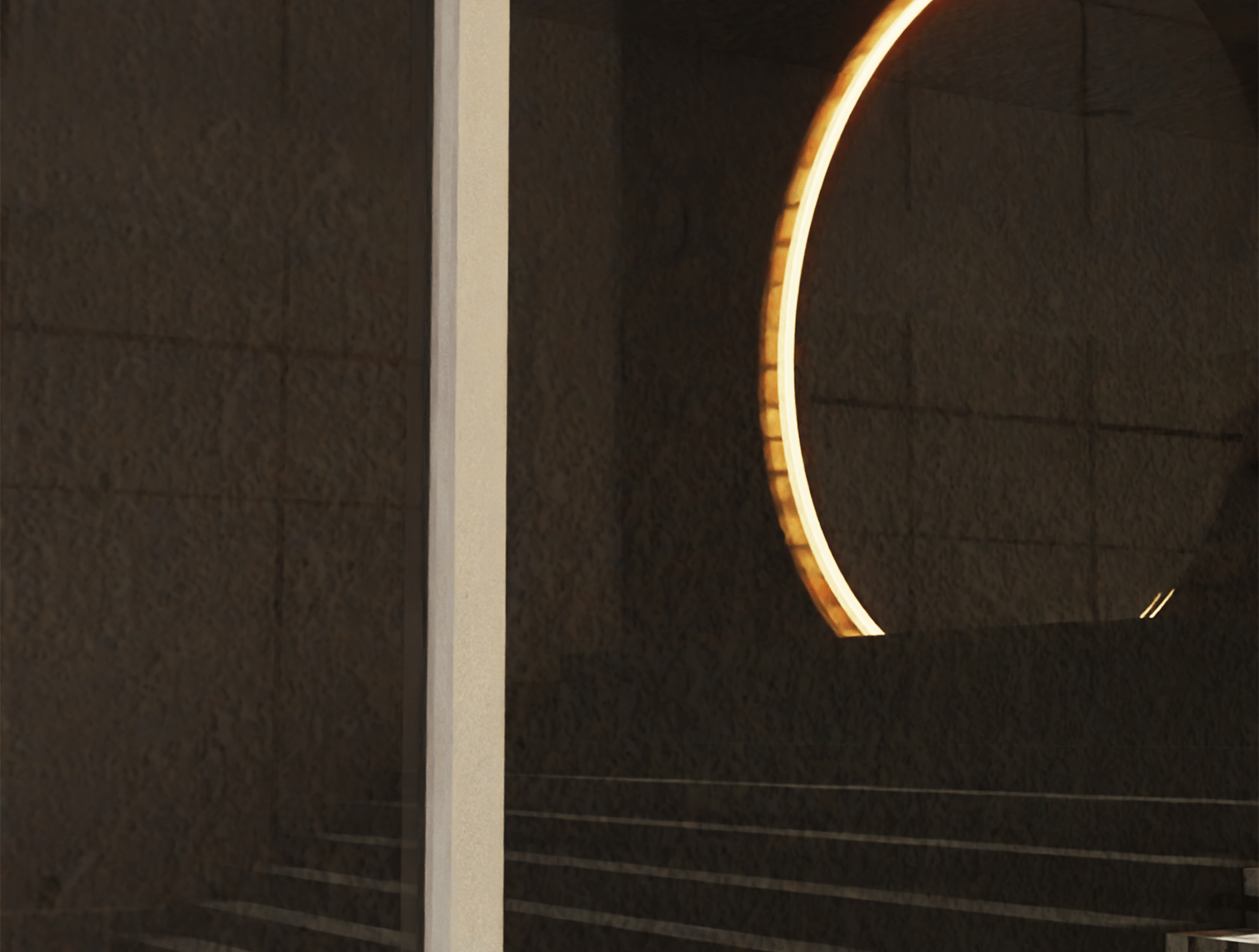
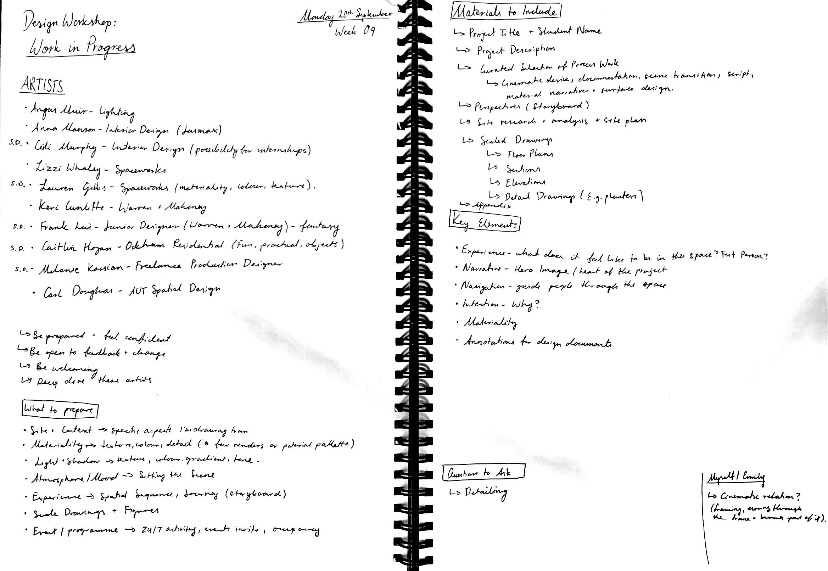
Feedback From Emily
- On permanence: Can be permanent but would need to figure out technicalities such as rubbish truck access or rubbish disposal from neighboring bars and restaurants. So this factor may be outside scope of project.
- On lighting: See if red strip installation is enough lighting. Lighting could be understated- soft and slow shift of light, above or below colonnade.
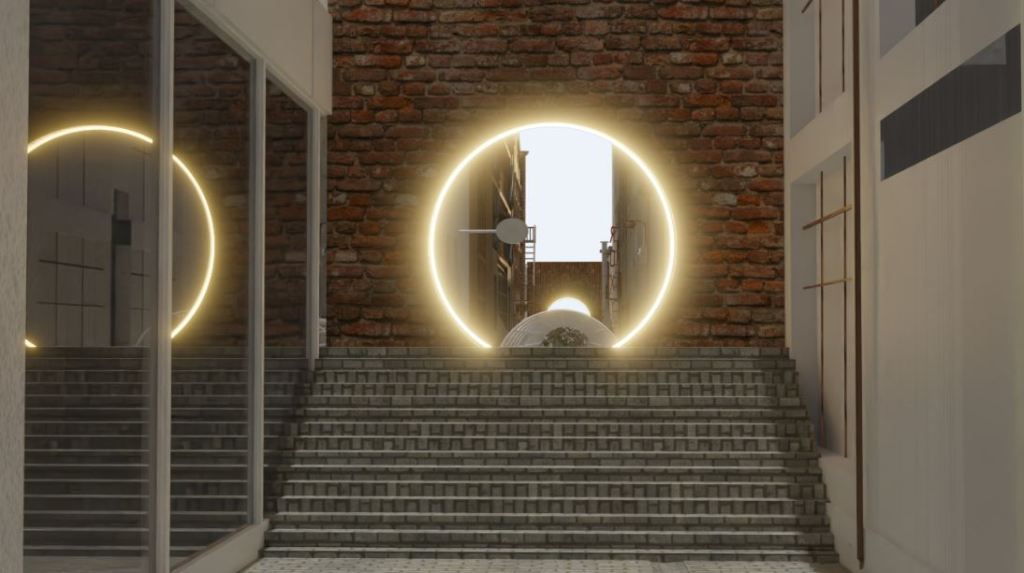
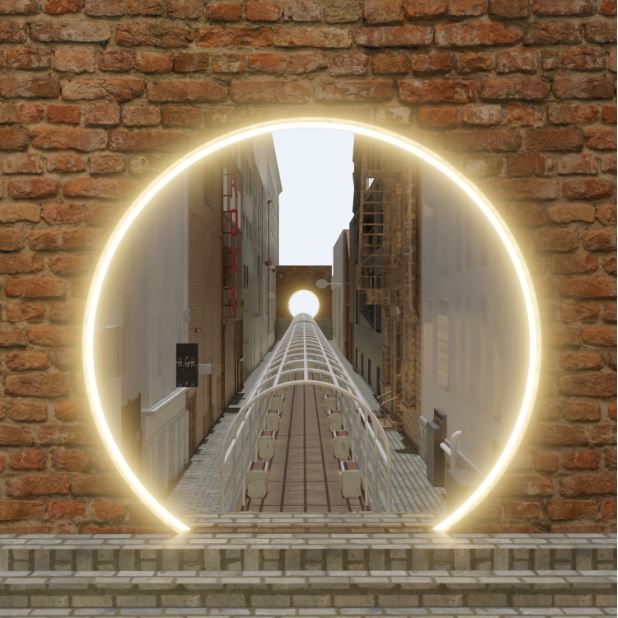
- On materials: Good to fit portals within the site (brick and stone) as portals on site into a cinematic environment. Steel framework for colonnade? How do different material options make you feel and change the experience? Consider what I am exploring – wooden deck echoes, stone is more permanent and solid. Sound of material can be transportation. Historical timber linking to old Point Britomart, rain and mud. Could view colonnade ad interior space and use materials accordingly.
- On plants: Poisonous tree might be risky. Could choose different tree based on the name, scent or could put ring barrier. Consider ‘Queen of the Night’ (Night Shade).
- On temporality: Beautiful temporal overlay at play here (from night to day) and well as seasonal cycles (layers of change and life cycles).
- On renders: View points- ground/street level sight line (be accurate)
Reflection
I feel really good with where I’m at and where my project is headed/has developed. It certainly has changed drastically from my initial ideas and direction. I was trying something new with the direction initially; being a colourful atmospheric installation space but it wasn’t particularly fitting with who I am as a designer. As this is my graduate project, I feel like the organic/nature approach very much fits my style and interests so I’m glad Emily pushed be into this direction. I am learning a lot from researching this concept which I find fascinating and my theory ‘tory of practice’ exegesis is facilitating this nicely.
Design Development
Project specific prompts for Urban Itinerary: Cinematic Space
What is the focus of your project in relation to the cinematic spaces brief?
How did your cinematic device document the site?
And how did you respond insightfully to those findings?
What are the key thresholds/scene transitions in your proposal? And how do these relate to cinematic scene transitions?
How does your proposed design activate the site as a public space?
What kind of scripting are you using to programme your design over time?
How are you exploring surface conditions as an integral part of your design?
What has emerged from your material and design processes?
What kind of detail are you developing and how are you articulating it in your design proposal?
What is my relation to the site?
My relation to the site is cutting through portals to create a transformational, cinematic space. The temporal elements of my project reflect the transformation of the site’s visual atmosphere and use of the space. The permanence of the structures/buildings framing Fort Lane counteracts the argument of my concept as our life cycles are short and have an end. The aging of the site accompanies the aging and transformation of the project’s natural elements of plants, growth and death.
What already exists there?
I notice how long and wide the laneway is. The patchwork of brick and concrete tells a story of the past, giving an impression of perfect imperfection of fixing something that is broken. The rusting on certain steel, its rough texture and fiery orange colour is fierce in telling the narrative of tenacity against time in regards to the architecture of Fort Lane.
What ethical implications might there be in terms of what I am proposing?
An ethical implication which I am proposing is bringing nature into the city. The plants and flowers I am using will bring about bees, butterflies, moths and other insects as well as the delightful smells which may bring an uplift in mood for users. I would like to also used repurposed brick into the site to be more sustainable.
What are my responsibilities as a designer on this site?
I need to be conscious of the implications my design has on the site and if its purpose is worth the compromise of shared vehicle space. I want to bring about positive impact on people who walk through the site and provoke emotions which inspire and place revelation.
What specific community is my design proposal in service of?
My intervention is in service of all but more specifically, those who walk through the space most which is business people, students and club/bar goers (teenagers, young adults and middle aged people).
What field of design am I proposing into (performance, architecture, interiors, urban, public activation etc) and what are the associated contexts of each field as it relates to my proposal?
Urban design and public activation
What kind of scale am I working at?
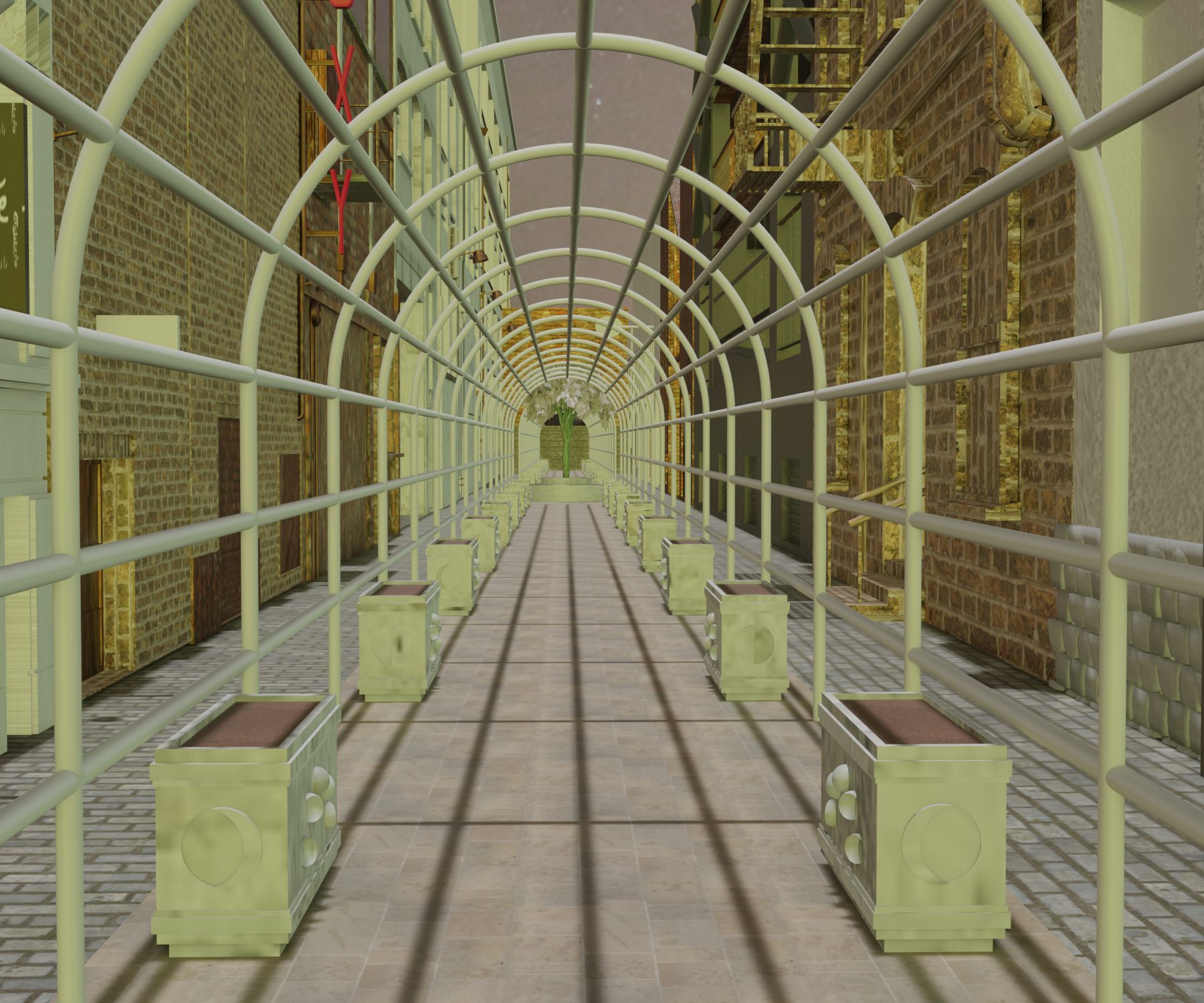
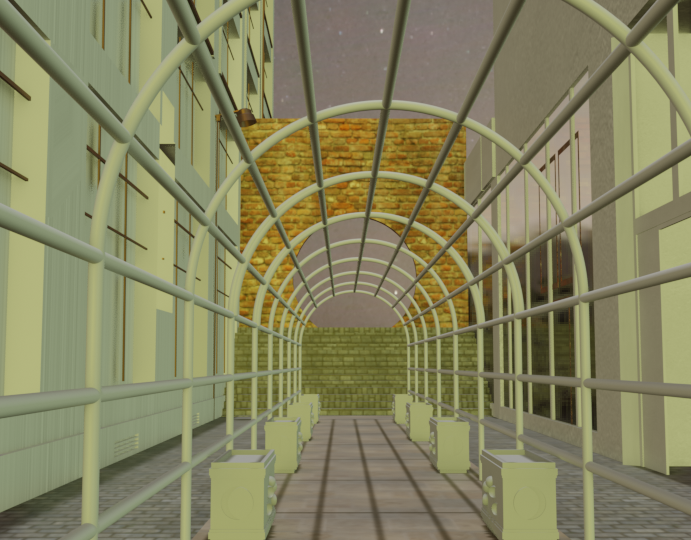
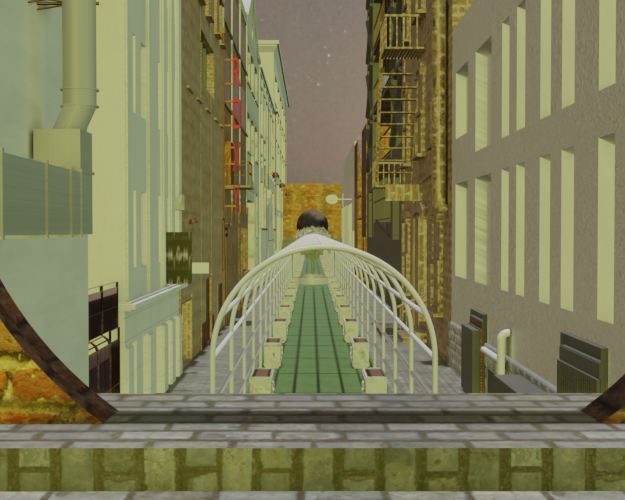
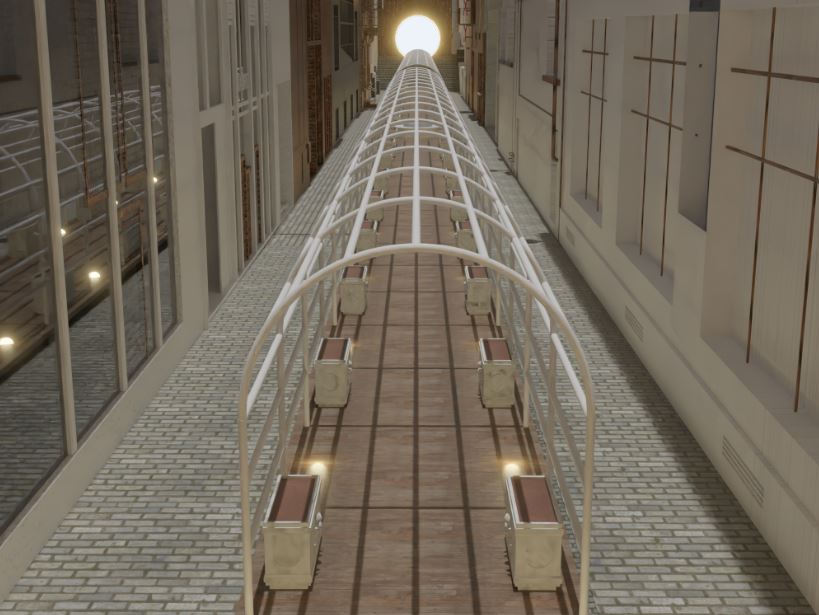
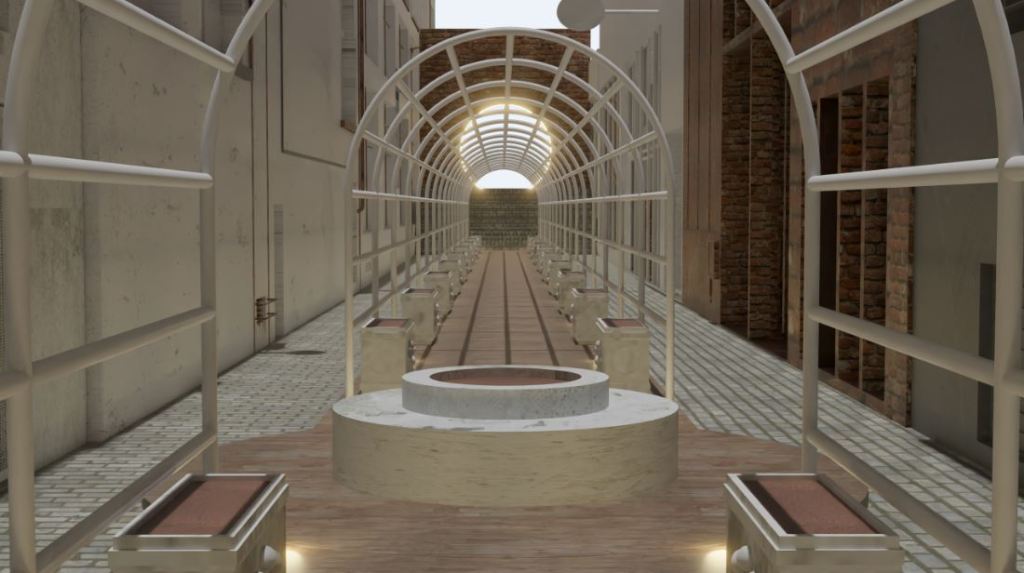
Quite a large scale – Moon Gates are really big and unproportional to the human size at 3.7 meters tall, as is the colonnade/archway which is 3.3 meters tall.
What materials am I using, and why?
What specific details need to be worked out in terms of programme; construction; temporality and concept?
How long is my proposal going to last, what do I need to consider in a range of durational possibilities?
If my project has a temporary lifespan, am I leaving something behind? Permanently changing the site?
Describe the experiential journey through the design. What do they see as they journey through my spatial sequence?
What draws people to my project? What is the first thing they see? Where do they enter? What are the series of spaces which unfold from there? How do they exit?
A detail can tell the tale of the overall design project. What part of the story does my detail tell? How does my detail contribute to the overall design language?
Progression
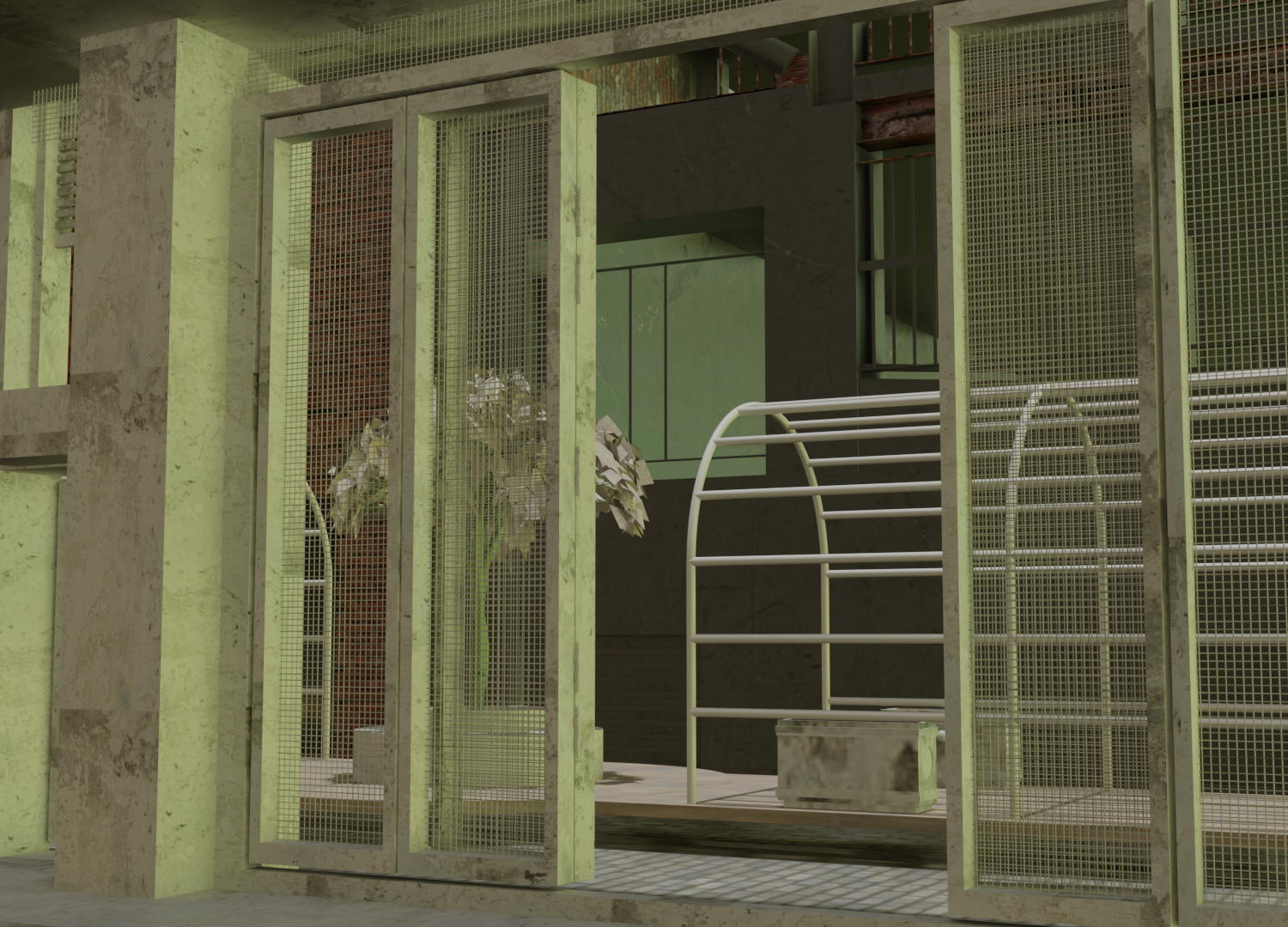
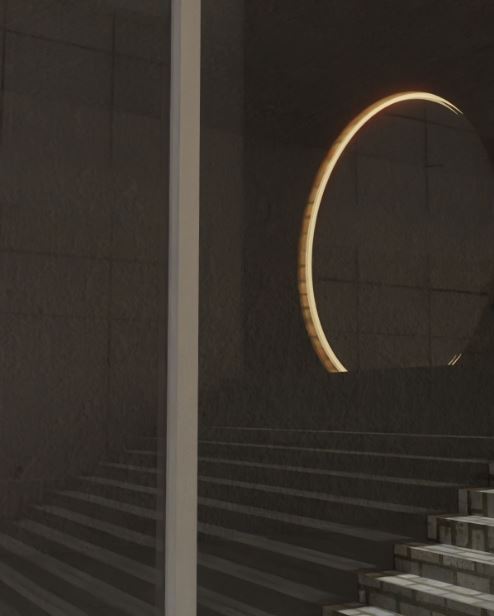
Materiality: Rendering in Blender using Evee to get test renders
 Urban Itinerary: Cinematic Space